Strength of collaboration between Cator and NasApp
At Cator, sustainability and commitment to the environment are an essential part of our business strategy. For this reason, we focus our efforts on the territory where we carry out our activity, seeking to generate a positive and lasting impact on the community.
The most innovative and transformative project we have carried out to strength of collaboration with the community has been the collaboration with NasApp. This initiative has significantly improved the quality of life of the local population, reaffirming our commitment to transparency, sustainability and circularity.
The importance of the territory
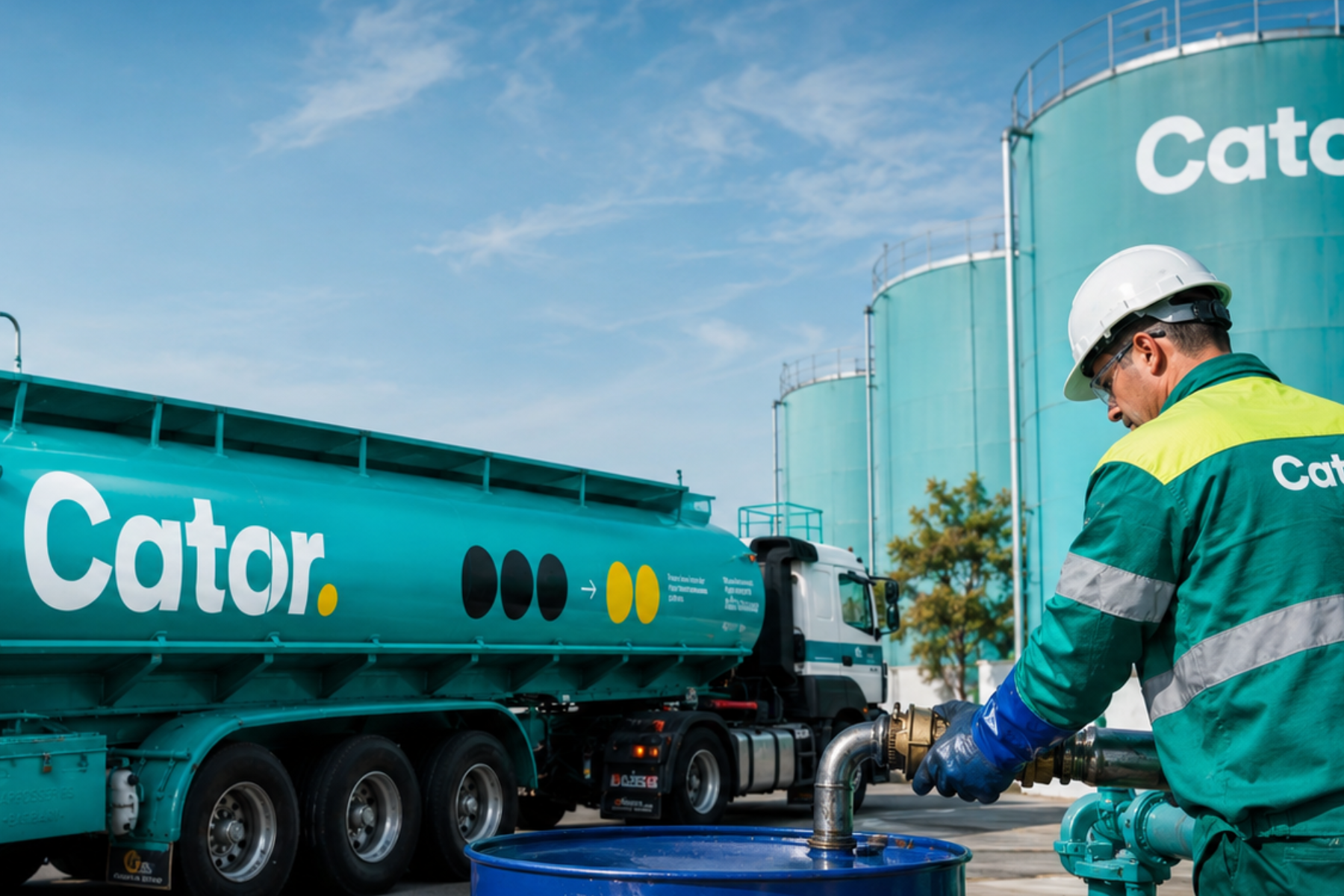
Since 1993, Cator has operated its mineral oil regeneration plant in Alcover (Tarragona), in a historic location that previously housed a vegetable oil manufacturing and packaging plant. This plant is located less than 1 km from the municipality, facing between the town and the sea, with a wind flow in the summer that occasionally heads towards the town.
This geographical context, added to the nature of the used oil regeneration process, led to the emission of diffuse odors typical of industrial activity. Although at that time social awareness about odors was lower, Cator acted proactively and responsibly, adopting measures to minimize any possible impact, always with a focus on continuous improvement.
Collaboration with the Rovira i Virgili University
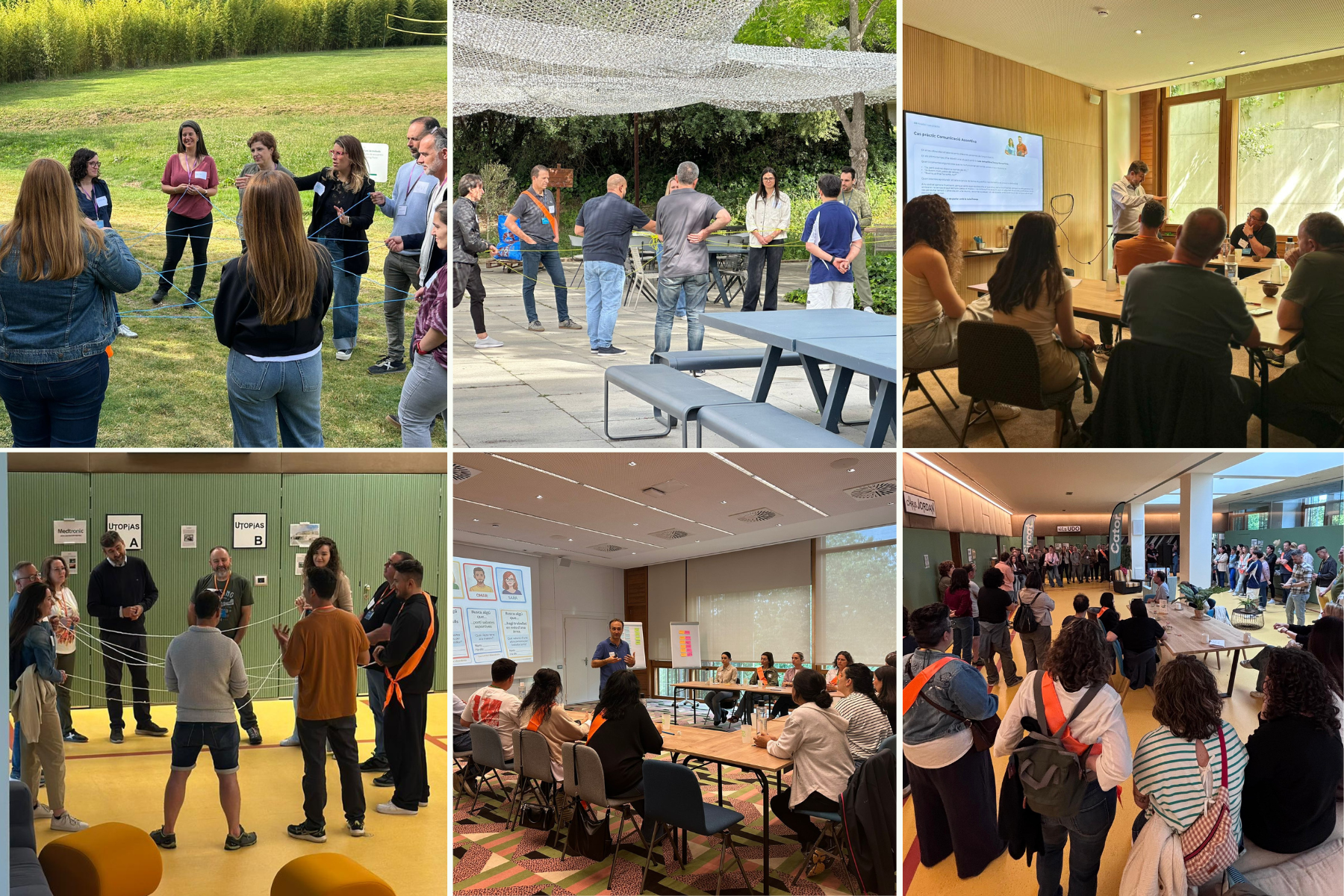
To effectively address the issue of odors, Cator began a collaboration with the Universitat Rovira i Virgili (URV) in Tarragona in 1997. At that time, there was no technology that allowed the chemical and objective identification of odor episodes. , this joint effort focused on the identification of odor episodes through citizen participation, an innovative and pioneering idea, since this methodology was not yet standardized there.
To address the problem, we worked with grouped data, differentiating individual records to characterize them as odor episodes. Inadvertently, a calculation methodology was established to quantify an odor episode in three levels: medium, strong and critical. At the same time, the degree of annoyance was defined, which allowed us to numerically quantify the intensity of the annoyance of each episode, facilitating comparison between them.
The data was analyzed and contrasted with the processes carried out in the plant, obtaining a correlation that allowed the causes of the odor episodes to be identified and corrective solutions to be implemented.
The evolution of mobile technology and constant collaboration promoted the creation of NasApp, a cutting-edge tool that has revolutionized the management of odor episodes.

NasApp Methodology. Source: NasApp
Project benefits
The implementation of NasApp has generated a number of key benefits, both for Cator and the community:
– Citizen participation application : NasApp is an accessible application for citizens , which allows residents to report any episode of olfactory discomfort in a simple and direct way. This mechanism reinforces citizen participation and transparency.
– Real-time monitoring : Reports of odor episodes are received in real time by Cator, allowing a rapid response to mitigate the short-term impact and the identification of odor sources to eliminate them definitively in the medium and long term.
– Precise analysis of episodes : Thanks to the integration of meteorological data, such as wind direction, NasApp allows you to accurately differentiate odor episodes generated by Cator from those that have other sources of origin, thus optimizing the effectiveness of corrective measures.
– Reduction of odor episodes : The combination of NasApp technology with the investments made by Cator has allowed odor episodes to be reduced by more than 80%, significantly improving the environmental quality of the area.
– Improved public perception : The community has positively assessed the project, recognizing Cator’s attention and commitment to resolving their concerns. This effort has transformed the perception of the population, who now consider Cator a positive actor committed to local well-being.
Commitment and leadership
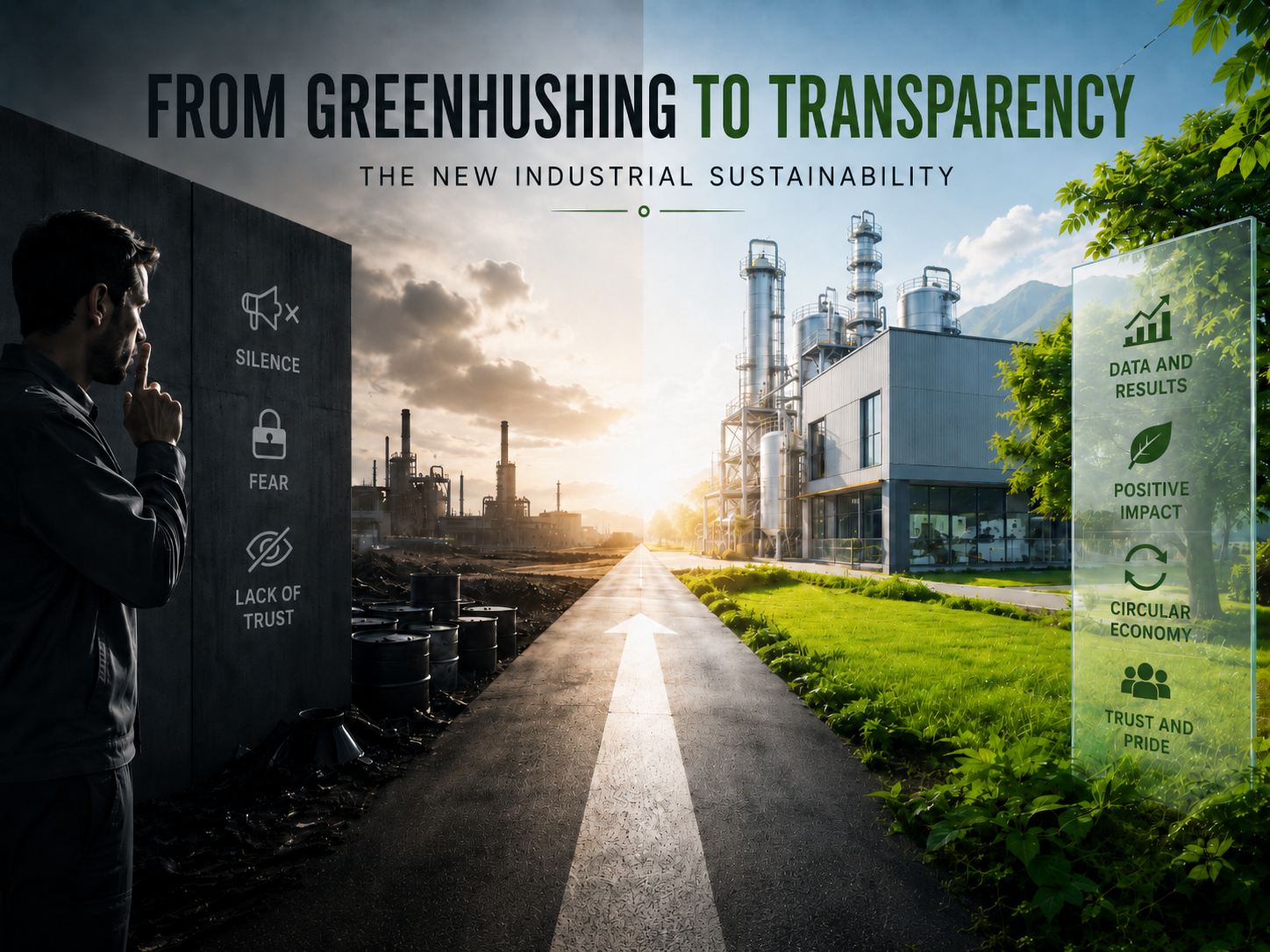
The implementation of NasApp has required a high degree of commitment and courage on the part of Cator. Adopting a citizen collaboration tool implies opening a direct communication channel with the population, something that has traditionally been seen by some companies as a risk. However, Cator opted for transparency and active participation, understanding that collaboration with citizens is not only an opportunity, but also a competitive advantage.
This process required operational adjustments and the making of significant investments, but the result has been worth it: a closer and more positive relationship with the community, continuous improvement in production processes and the consolidation of Cator’s reputation as a leading company in sustainability.
Conclusions
The collaboration between Cator and NasApp has demonstrated a successful example of integrating technological innovation with social responsibility. This project has exceeded its initial objectives, strengthening ties between the company and the community, reducing odor nuisance by more than 80% and transforming the public perception of the company.
Cator has shown that it is possible to establish a sincere and transparent collaboration between business, administration and citizens to address social welfare projects. For Cator, this project represents a unique combination of innovation, social commitment and environmental responsibility, becoming one of the achievements of which we are most proud.