Used industrial oil is one of the hazardous wastes that can have the greatest impact on the environment if it is not properly managed. It is a highly polluting waste, generated after the use of lubricating oils in industrial processes, machinery or combustion engines. Therefore, its correct management is key to progress towards a more responsible and sustainable industry, aligned with the principles of the circular economy.
Impact of used industrial oil
A single liter of used industrial oil can contaminate up to one million liters of water if not properly treated. In addition to its high polluting power, it contains heavy metals and other toxic substances derived from the use to which it has been subjected. Therefore, the environmental impact of poor management can be serious, affecting both soil and aquatic ecosystems.
In this context, it is important to bear in mind that the management of used oils in Spain is regulated by the Royal Decree 679/2006 of 2 June 2006 which establishes that collection and treatment by authorized processes is mandatory. Within the available options, regeneration is the most efficient alternative from the environmental point of view.
How used industrial oil is recycled
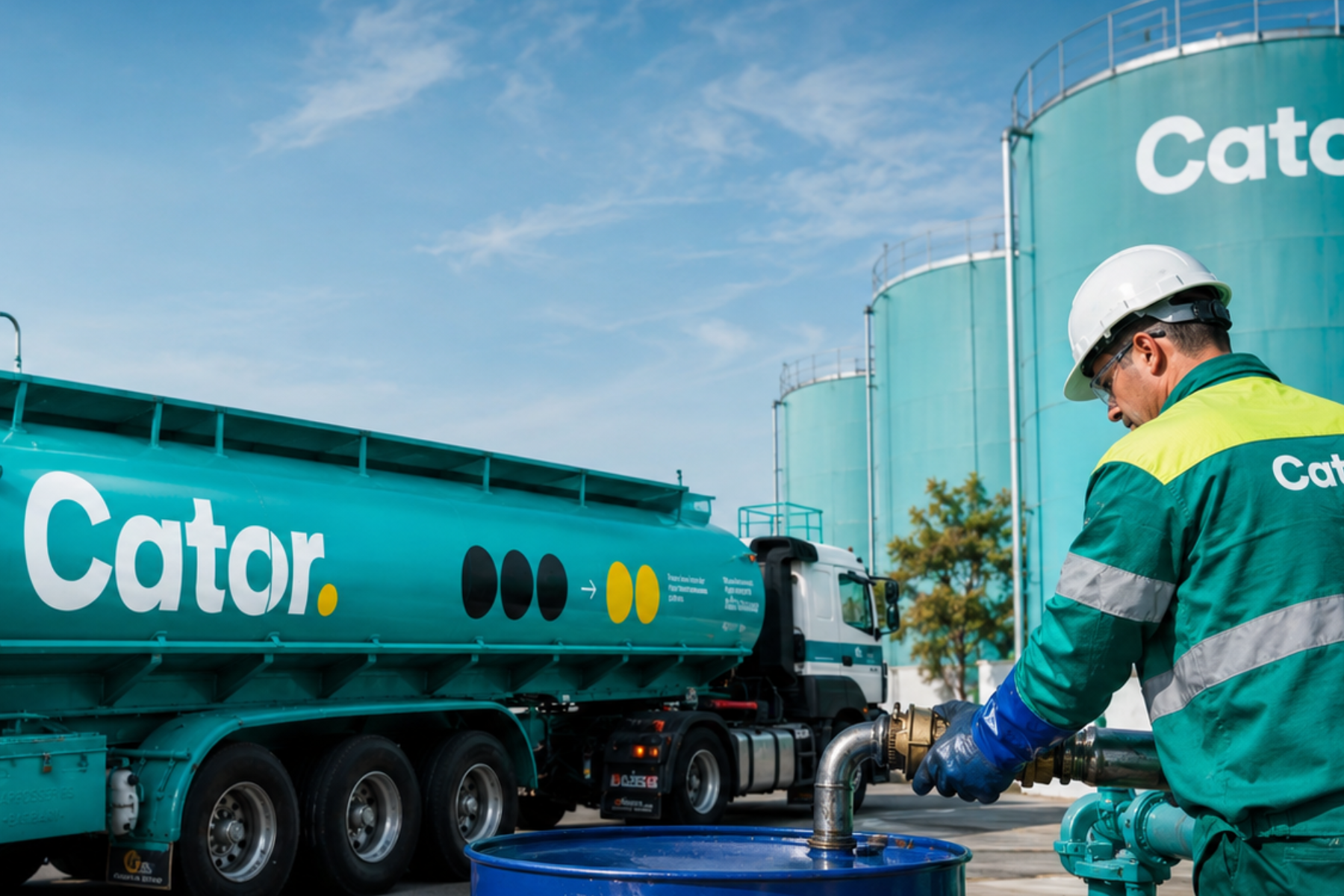
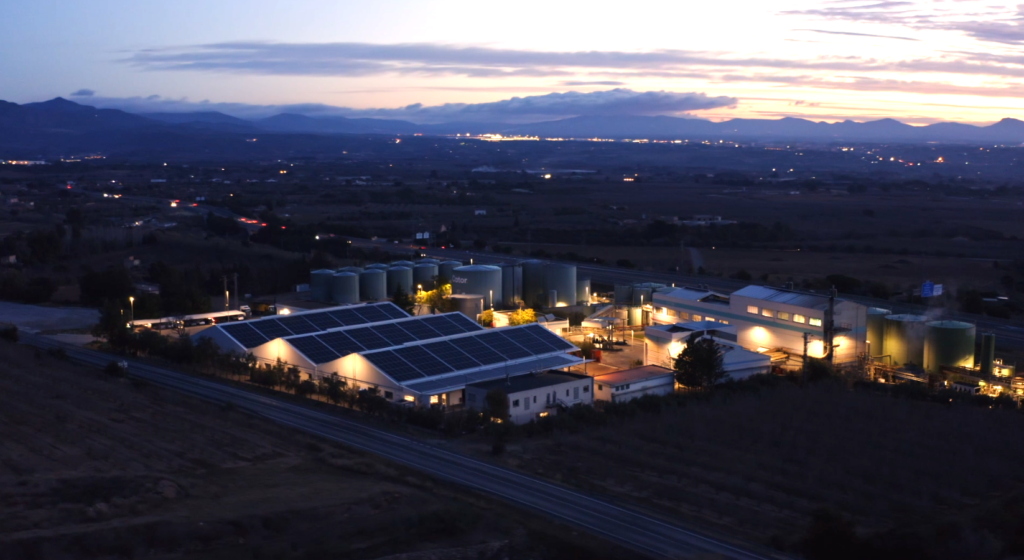
The process of recycling used industrial oil begins with its selective collection in workshops, industries and other generating facilities. From there, the waste is transported to specialized plants, such as our plant in Alcover (Tarragona), where it undergoes a regeneration process.
Unlike other methods, regeneration makes it possible to recover the properties of the base oil, eliminating impurities and contaminants to produce high-quality mineral oils and lubricants once again. This advanced technical process is carried out under strict quality and safety controls, ensuring that the regenerated oil can be reincorporated into new cycles of use without compromising its performance.
Advantages of used industrial oil regeneration
The regeneration of used industrial oil offers very significant advantages:
Reincorporation into the economy
Regeneration converts hazardous waste into a reusable secondary raw material. This allows its reincorporation into new production cycles, reducing dependence on virgin resources such as oil and promoting a circular and sustainable production model.
Production of new lubricants
The regenerated oil can be used in the manufacture of new lubricating oils for engines and industrial machinery, as we do at Cator with our base oil REGENOIL. Since 2007, more than 1 million tons of lubricant bases have been produced in Spain from regenerated used oil, a figure that demonstrates the effectiveness of the process and its positive impact on industry.
CO₂ emissions reduction
Regeneration requires less energy than oil refining, which translates into a significant reduction of the carbon footprint. On an environmental level, this means less greenhouse gas emissions and a direct contribution to the fight against climate change.
Regulatory compliance and traceability
The treatment of used industrial oil by regeneration complies with current regulations and guarantees the traceability of the waste throughout the entire chain. This generates confidence in both customers and administrations and facilitates compliance with environmental policies.
Reduced generation of final waste
Regeneration implies an efficient treatment that minimizes the amount of unusable waste. Compared to other alternatives that generate sludge or secondary waste that is difficult to treat, reclamation allows cleaner and more efficient management.
Circular economy
Regeneration is a clear example of applied circular economy. At Cator we work so that the result of one stage becomes the starting point for the next, closing cycles and promoting a more responsible use of resources.
Contribution to the sustainable industrial fabric
A commitment to regeneration also strengthens the industrial fabric committed to the environment. It boosts technological innovation, creates qualified employment and positions the sector in line with the Sustainable Development Goals (SDGs).
Regeneration figures
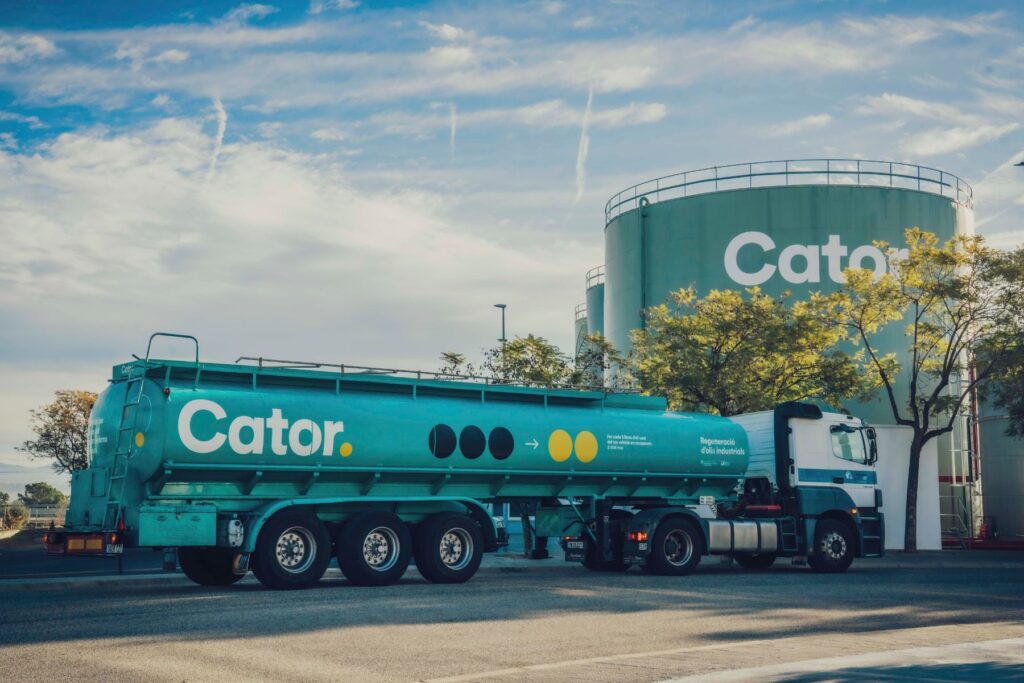
Since 2007, regeneration has returned more than 1 million tons of new lubricants to the market, which is equivalent to filling the crankcase of more than 268 million vehicles. Specifically, according to data from SIGAUS 1,086,692 tons of lubricant bases have been produced from regenerated used oil. These figures reflect the enormous potential of regeneration to reduce the consumption of resources and minimize the volume of waste.
Regenerating used industrial oil is a technical, sustainable and economically viable solution that allows recovering resources, reducing emissions and complying with legal requirements for waste management. At Cator we demonstrate every day that it is possible to transform a hazardous waste into a valuable opportunity, actively contributing to the development of a cleaner, more efficient and circular industry. Do not hesitate to contact us if you need a collection of used industrial oil or bet on our REGENOIL regenerated oil base for your workshop or industry.