Every January 26 is celebrated as World Environmental Education Day, a date designed to reflect on the environmental challenges facing our planet and to highlight the importance of environmental education as a key tool for building more sustainable societies. This day reminds us that caring for the environment is not an individual responsibility, but a collective commitment that requires knowledge, action and cooperation.
Environmental education is a process that goes beyond the transmission of information. Its main objective is to foster critical thinking and problem-solving skills, enabling people to make responsible decisions regarding the protection and conservation of natural resources. Furthermore, it is fundamental within the Sustainable Development Goals (SDGs) proposed by the United Nations to achieve a balance between human needs and the planet’s capacity to sustain them.
What is environmental education?
Seeks to raise awareness and train people to face current environmental problems in a proactive manner. Its purpose is not only to inform, but also to inspire changes in habits and behaviors, promoting a greater connection between human beings and nature.
Some of the main ones are:
– Raise public awareness of the importance of caring for the environment and natural resources.
– Promote responsible environmental management to minimize human impact on ecosystems.
– Encourage active participation in initiatives that contribute to sustainable development.
– To prepare people to face the environmental challenges of the present and the future, such as climate change, deforestation or pollution.
In addition, development education seeks to integrate environmental values at all educational levels, from early childhood education to vocational and university programs. This allows environmental knowledge to become part of the decision-making process in different social, economic and political spheres.
The future of environmental education and the role of new technologies
New technologies are transforming the landscape of environmental education, providing innovative tools for teaching, learning and raising awareness about the issues facing our planet. Digital platforms, simulators and immersive experiences are playing an essential role in the formation of conscious and responsible citizens. Among the benefits provided by technologies are:
Interactive experiences:
Thanks to virtual and augmented reality, it is possible to simulate scenarios such as the reforestation of a forest or the effects of pollution, helping users to visually and directly understand the consequences of their actions.
Democratized access to knowledge:
Digital platforms allow students and communities in remote areas to have access to quality educational materials, overcoming geographic and economic barriers.
Promotion of critical thinking:
Technological tools that pose challenges related to environmental issues help students develop problem-solving and decision-making skills.
In this sense, technology not only enriches teaching processes, but also drives the fulfillment of the Sustainable Development Goals, promoting an educational model that is aligned with the challenges of the 21st century.
Raising children’s awareness of the environment
Raising children’s awareness of the environment is an essential step in ensuring a sustainable future. At this stage, children develop values and habits that will influence their behavior throughout their lives. Therefore, it is important that from an early age they understand the importance of caring for the natural environment.
Activities such as creating school gardens, recycling workshops or field trips to natural environments are effective tools to foster an emotional connection with nature. Through these experiences, children:
– They learn about the functioning of ecosystems and the need to preserve them.
– They develop problem-solving skills, such as resource management and creative recycling.
– They internalize the idea that the environment is a vulnerable system that requires constant protection and care.
– In addition, initiatives such as environmental education programs promoted by governments and private organizations seek to integrate these practices into the national education system, ensuring that new generations are equipped to face environmental challenges.

Cator and El Cercle: Promoting Environmental Education
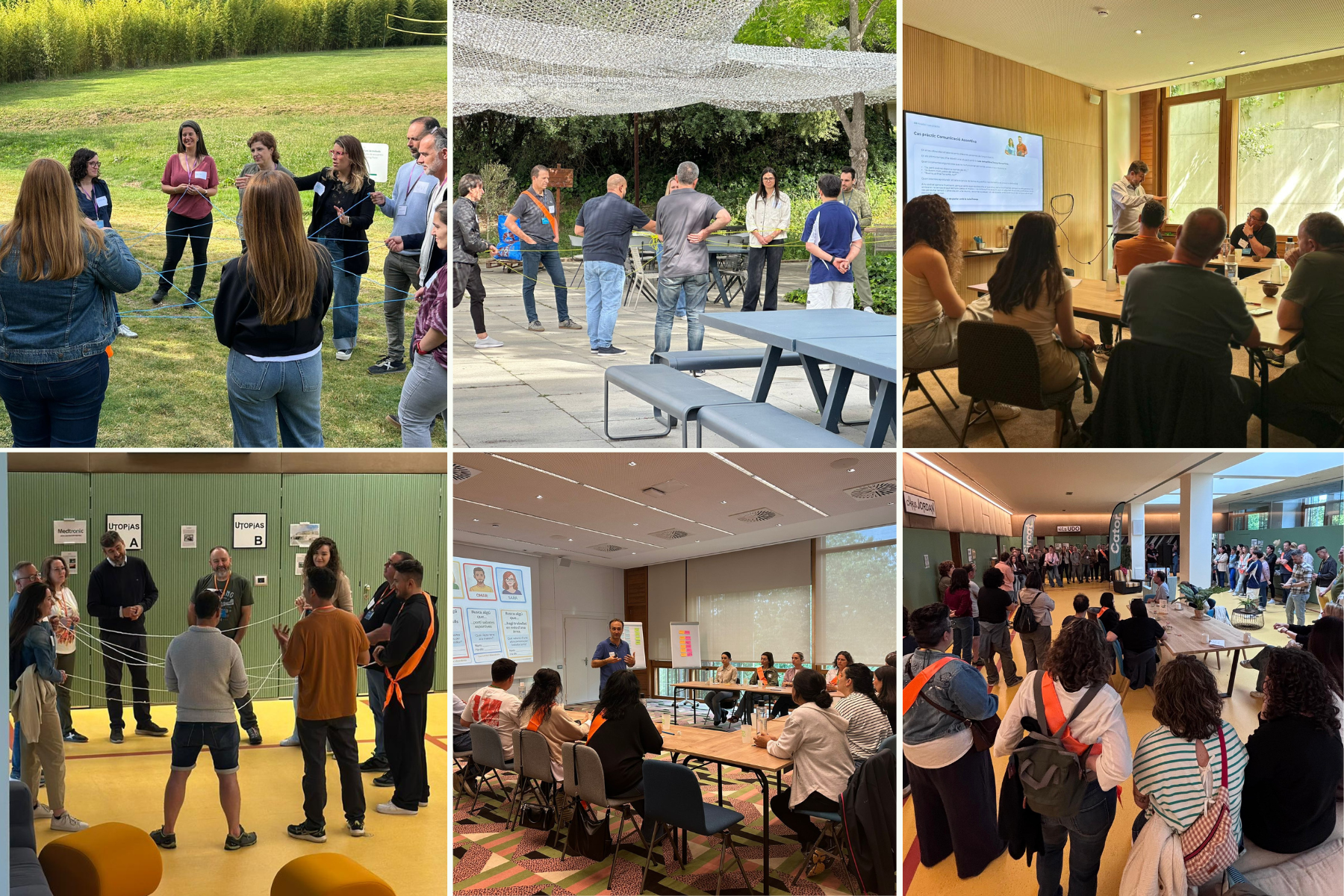
Environmental awareness is one of our core values. Through El Cercle, we work to promote learning and reflection on the importance of environmental management and the transition to a circular economy model.
Recently, we received the students of the 2nd year of the scientific baccalaureate of the Institut Fonts del Glorieta d’Alcover, who participated in a unique educational experience. During their visit, they had the opportunity to:
– Discover our oil regeneration process, a model that guarantees the reuse and commercialization of all derived elements, avoiding the generation of waste.
– To deepen the analysis of oil samples in our laboratory, understanding the importance of making responsible decisions to protect natural resources.
These activities reflect our commitment to environmental education and the promotion of practical solutions to the problems facing our planet.
World Environmental Education Day reminds us that caring for the planet depends on the joint action of individuals, companies and governments. The combination of technological tools, innovative educational programs and learning spaces like El Cercle are key to inspire meaningful and sustainable change. If you would like to arrange a visit to our facilities, please do not hesitate to contact us at elcercle@cator-sa.com or on our website.