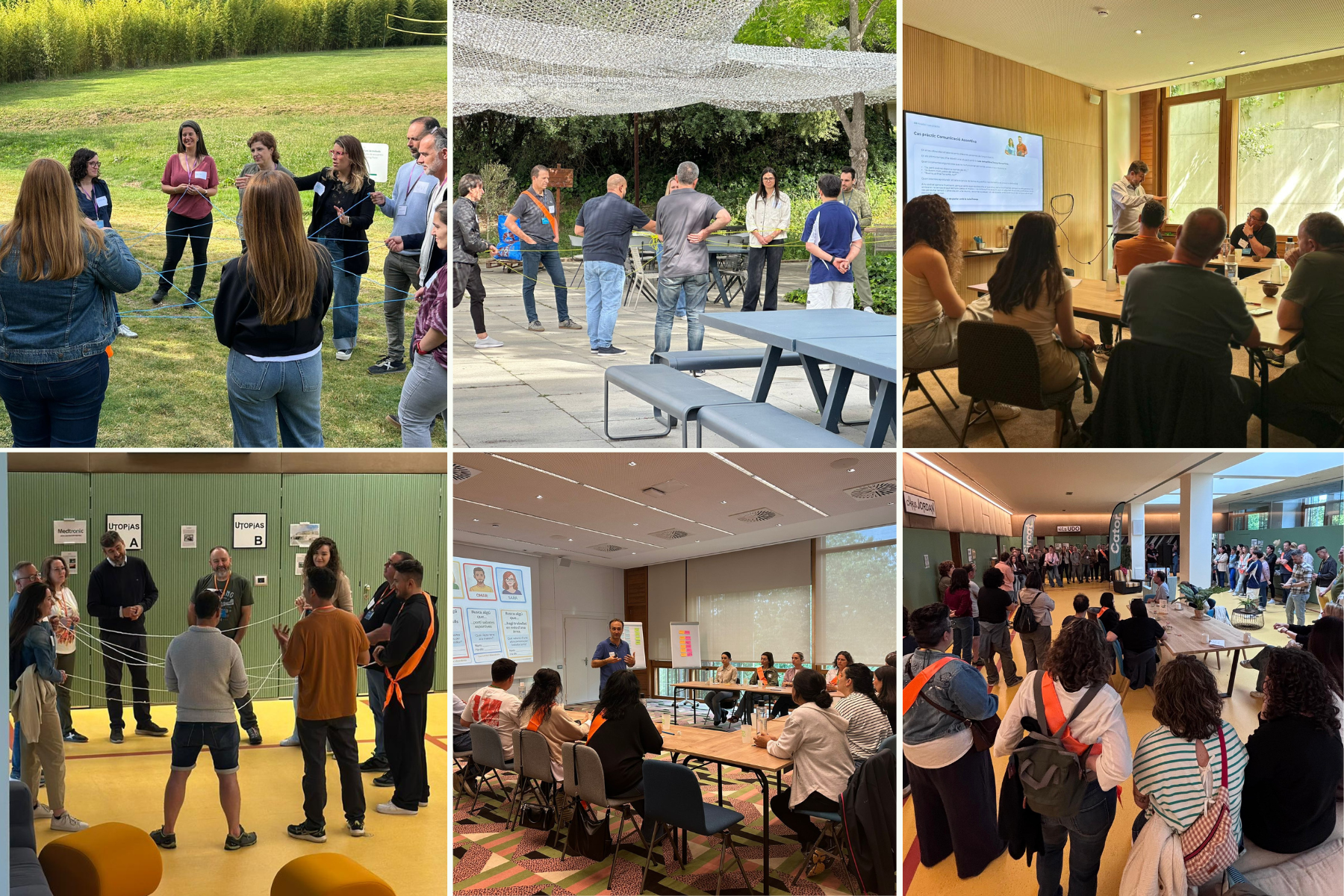
At Cator, we believe that workplace wellness is not an “extra”, but a strategic pillar that directly impacts productivity, talent retention and the ability to innovate. As a company dedicated to the regeneration of industrial oils, we operate in a demanding environment where safety, focus and teamwork are crucial. That is why we especially value the role of psychology and coaching as key tools to offer our team a professional, confidential and evidence-based support.
Our commitment is clear: to care for the mental health and well-being of the people who make Cator possible. In these lines we tell you why wellness is an investment and how we are putting it into practice.
Benefits of workplace wellness: productivity, engagement, retention and work climate
Workplace wellness has a direct impact on business results. When an organization promotes healthy habits, psychologically safe environments and conscious leadership, positive effects are seen on four fronts:
– Productivity and quality: Rested and emotionally resourceful people perform better, make fewer mistakes and maintain sustained attention, essential in industrial operations.
– Engagement and motivation: A team that feels listened to and supported shows greater involvement and sense of purpose; it actively participates in continuous improvement and shares best practices.
– Talent retention and attraction: Work-life balance, career development and mental health support policies reduce turnover. In addition, positive word-of-mouth improves the employer brand.
– Psychological climate and safety: An environment where people can ask for help without stigma and give feedback with respect reduces conflicts and favors learning.
Mental health at work: from taboo to competitive advantage
For years, talking about mental health in the workplace was taboo. Today we know that recognizing stress, anxiety or burnout – and acting in time – does not weaken the company: it strengthens it. Providing access to credentialed professionals and normalizing the conversation is a competitive advantage:
– Prevention: Early warning signs avoid complex problems and prolonged sick leave.
– Culture of care: Generates belonging and trust, and attracts profiles that value responsible environments.
– Human leadership: Managers who master social-emotional skills lead more cohesive and confident teams.
This change of perspective is especially relevant in industrial sectors, where safety and care are critical. Psychoemotional well-being is also a preventive measure.
What welfare-to-work solutions Cator was looking for
One of Cator’s objectives is to offer the entire team effective tools to strengthen their personal and professional well-being.
To this end, we have implemented work plans with a clinical-organizational approach for demanding environments. Here we explain how we have achieved these objectives:
Psychology applied to the work environment
Confidential individual sessions with psychologists oriented to accompany a wide variety of personal and work-related issues, such as stress, anxiety, grief, interpersonal conflicts, change management… Each meeting includes practical guidelines, emotional regulation exercises, support materials and a structured follow-up.
Value for Cator: Improves emotional well-being, reduces absenteeism and enhances concentration in daily operations. It also strengthens psychological safety, contributes to a better work environment and provides qualitative evidence that facilitates the prevention of psychosocial risks.
Individual and team coaching
Goal-oriented executive and team coaching processes: leadership, communication, decision making, delegation and inter-area collaboration. They can be face-to-face or online, combining individual sessions with group dynamics to accelerate behavioral changes.
Value for Cator: More autonomous teams, more conscious leaders and better alignment with objectives; in addition, greater clarity of roles, more fluid transversal communication and reduction of bottlenecks in interdepartmental projects.

What are we looking for with these wellness actions?
At Cator, we were looking for an ally that would combine clinical rigor with operational impact and adaptation to industrial contexts. Therefore, in addition to technical expertise, we considered the following aspects to be key:
– Clinical confidentiality and professional ethics.
– Accredited team with experience in industrial contexts.
– Evidence-based approach and practical tools.
– Customization by area and by role type (operational, technical, managerial).
– Executive reporting with aggregate indicators and actionable recommendations.
What changes when you invest in wellness
For Cator it is a priority not only to “be well”, but also to create sustainable conditions to work better. That is why, thanks to the implementation of this type of services, we have achieved:
– Improved work-life balance and work organization policies.
– Supervision and accompaniment of managers, so that they can model healthy habits.
– Safe spaces to ask for help without stigma.
– Training in social-emotional skills and communication.
– Listening mechanisms.
With these levers, high levels of engagement are activated and a work environment is built where talent wants to stay and grow.
At Cator, well-being is a strategy. Thanks to these actions, we can offer our employees tools such as psychological support and coaching processes that translate into better performance, greater safety and a healthier climate. This approach is not a short-term one: we integrate it into our day-to-day management, with monitoring metrics, continuous learning and adjustments that prioritize health and sustainability at work. As we move forward, we see how trust, communication and the ability to anticipate risks are strengthened.
Looking ahead, we will continue to consolidate a culture of care and high performance, aligning leadership, procedures and active listening so that each person has real resources when needed. Well-being is not an end in itself, but the basis for innovation, growth and maintaining committed teams over time.