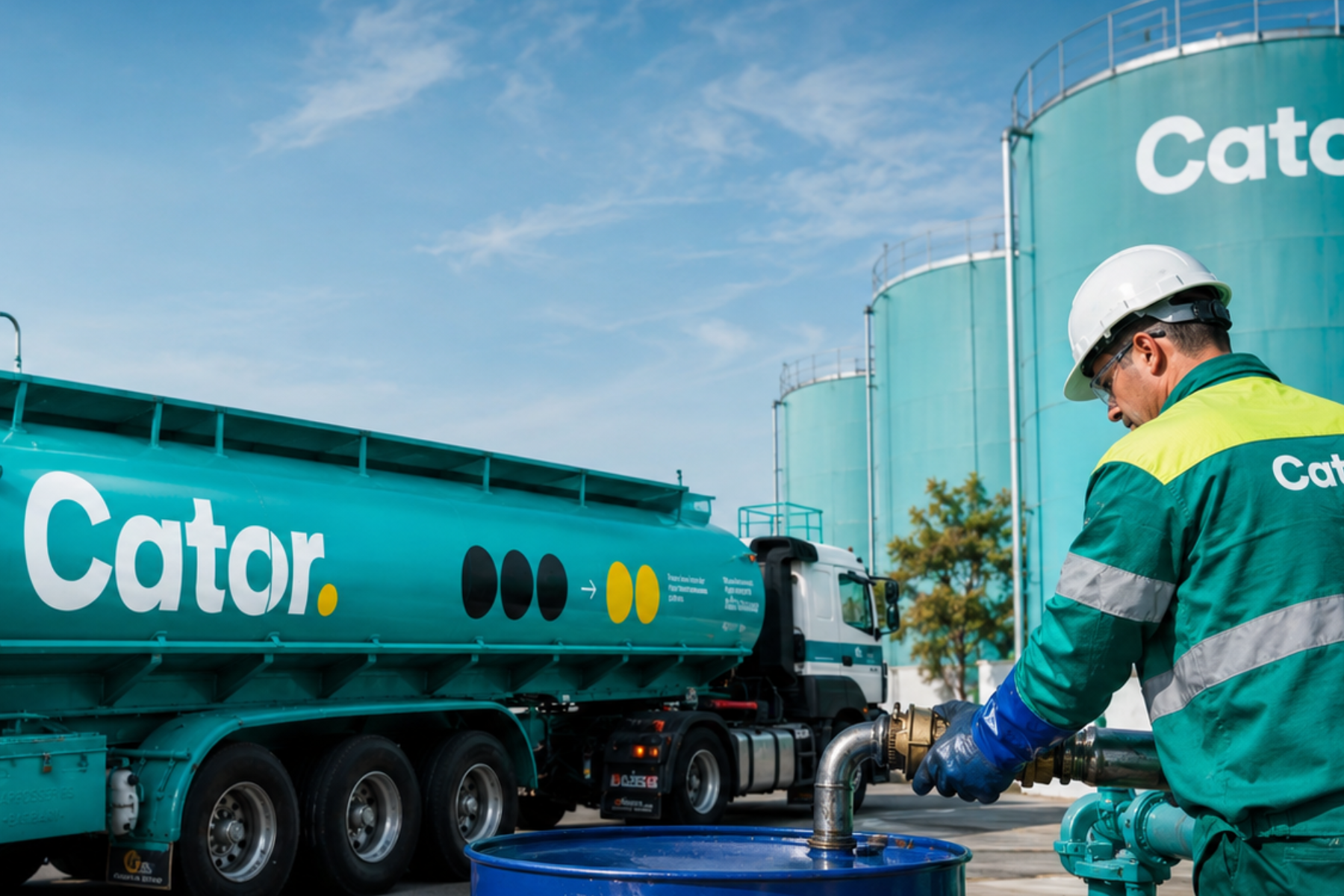
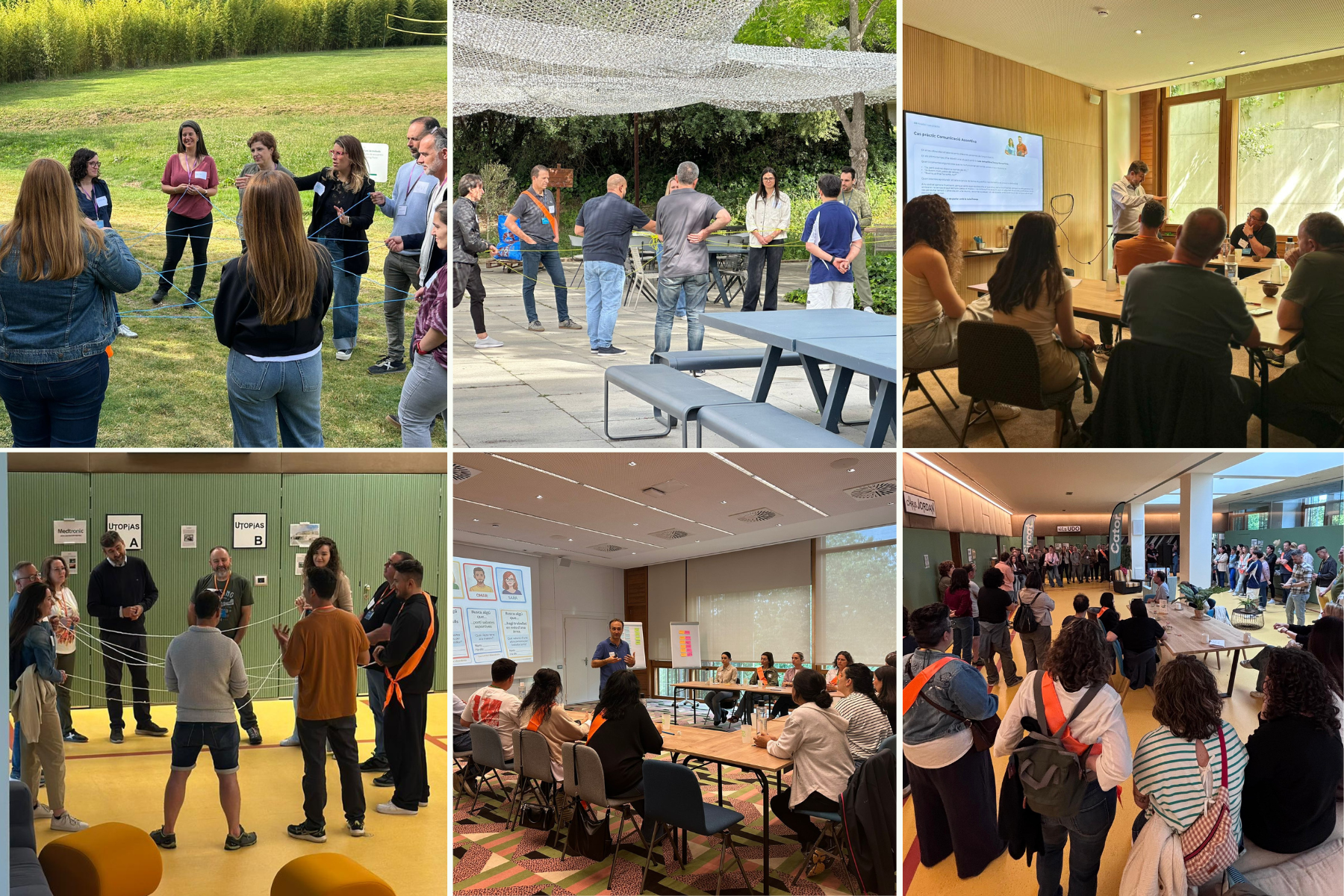
We recently had the pleasure of receiving at our facilities a delegation of members of the Board of Directors and the Sustainable OD Trust of the Dominican Republic. This visit is part of their tour of Catalonia, with the aim of learning first-hand about the waste management model in the region and the key facilities that drive this system, accompanied by the Agència de Residus de Catalunya.
During the visit, there was an enriching exchange of knowledge and experiences on best practices in waste management and, in particular, in the regeneration of used industrial oils. In this context, Cator stands out as an example of circular economy demonstrating how, with the right political will and the support of the private sector, it is possible to achieve that all used mineral oil in a territory is regenerated and reintroduced into the productive market, avoiding that they end up in landfills or polluting the environment.
A model of international cooperation
This meeting not only showcased our facilities and processes, but also highlighted the importance of international cooperation and shared learning in moving towards a circular economy and efficient waste management. As global environmental challenges become more complex, it is essential that countries and companies work together to develop sustainable solutions.
The Dominican delegation was impressed with Cator’s technological and operational advances, which allow us to meet the highest standards in used oil regeneration. This visit reinforces the idea that collaboration between the public and private sectors is fundamental to face global environmental challenges.
Circular Economy: The Future of Waste Management
Cator’s approach to the circular economy is based on the idea that waste is not simply waste, but resources that can be reused, recycled or regenerated to give them a new life. This concept was central to the visit of the Dominican delegation, who recognized the value of implementing a similar model in their country to improve their waste management and move towards a more sustainable future.
In conclusion, the success of the circular economy depends on collaboration and knowledge sharing between countries and the private sector. These types of international visits are a clear example of how we can learn from each other to build a greener and more efficient future.