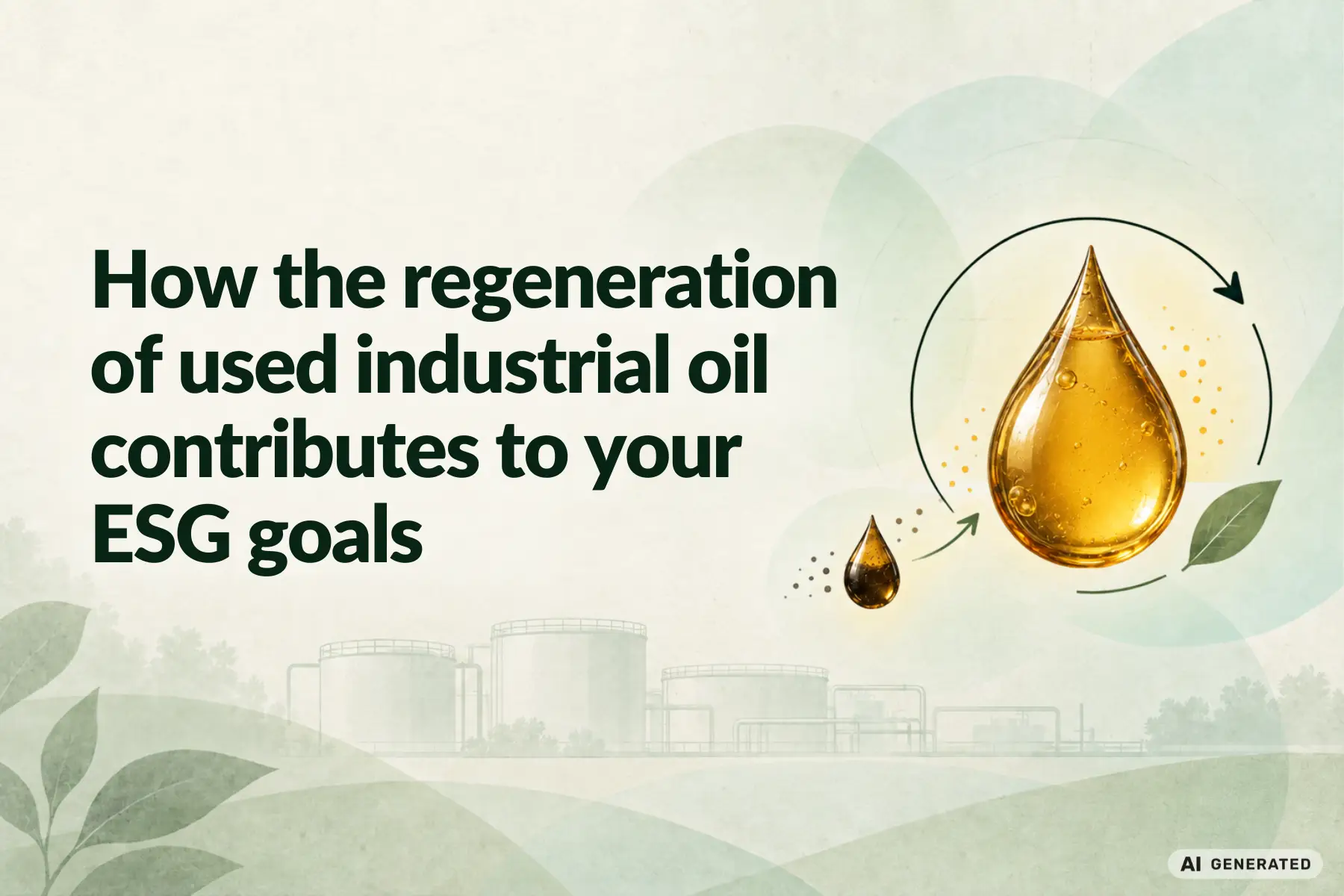
Used industrial oil is one of the most hazardous wastes generated by human activity. Its treatment is not only a legal obligation, but also a clear indicator of the real commitment we have as a society to sustainability. An opportunity we are missing.
The recent publication of the SIGAUS 2024 Official Report offers an accurate x-ray of the state of used oil management in Spain. And among its most relevant data, one stands out that should set off all the alarms in the sector: regeneration, i.e. the circular process that allows this waste to be recycled to convert it into new base oils, has fallen for the third consecutive year. Clearly, this is an opportunity we are missing.
A trend away from circularity
The entry into force of Order APM/205/2018, which established the criteria for the end of waste status of used oil for use as fuel, aimed to limit this practice by tightening the criteria to ensure the production of a fuel clean of pollutants.
In this regard, the figures show that the trend has been the opposite of what might be expected and regeneration has lost ground to this less environmentally friendly practice:
🔻 In 2022, the regeneration rate was 79.1%.
🔻 In 2023, it dropped to 77.5%.
🔻 In 2024, it has fallen to 73.8%.
At present, more than a quarter of the used oil collected in Spain ends up in energy recovery processes, i.e., burned as fuel. This alternative, although contemplated by the regulations, is contrary to the circular economy because it implies the irreversible loss of a resource that can be recycled and reincorporated into the market for its initial use.
Regeneration: the most efficient and sustainable route
At Cator, we defend regeneration as the treatment option most aligned with the principles of the circular economy, the European waste hierarchy and decarbonization objectives.
This model is based on a highly specialized physicochemical process that transforms used industrial oil into regenerated base oil, ready to be used again in industrial and automotive processes. This approach has multiple benefits:
– Emission reduction: up to 80 % less CO₂ compared to oil refining.
– Saving of natural resources: by reducing the demand for virgin raw materials, the company is able to reduce
– Economic added value: a new, useful, marketable product is generated.
– Boosting national innovation: promotes the development of technology, processes and specialized employment.
In contrast, using oil as fuel is a one-way street. A quick solution, but not a circular one. A practice that reduces the volume of waste, yes, but also its possibilities of reintroduction into the economic system.
The Cator model: total circularity and regenerative leadership
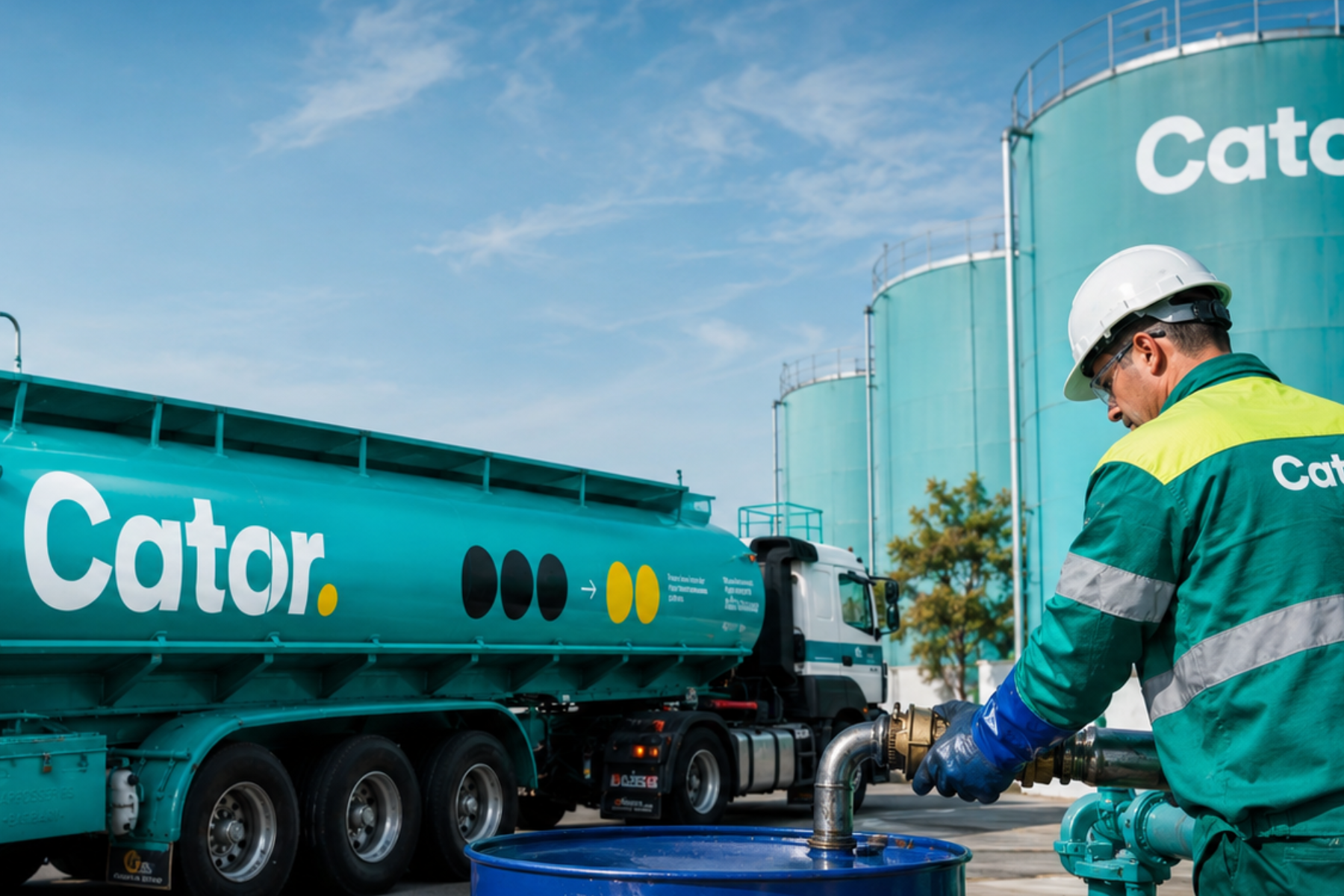
At Cator we have been dedicated to the regeneration of used industrial oil for more than 30 years. We do it from our plant in Alcover (Tarragona), under a zero waste model, which is committed to energy efficiency, the use of by-products and the continuous improvement of the process.
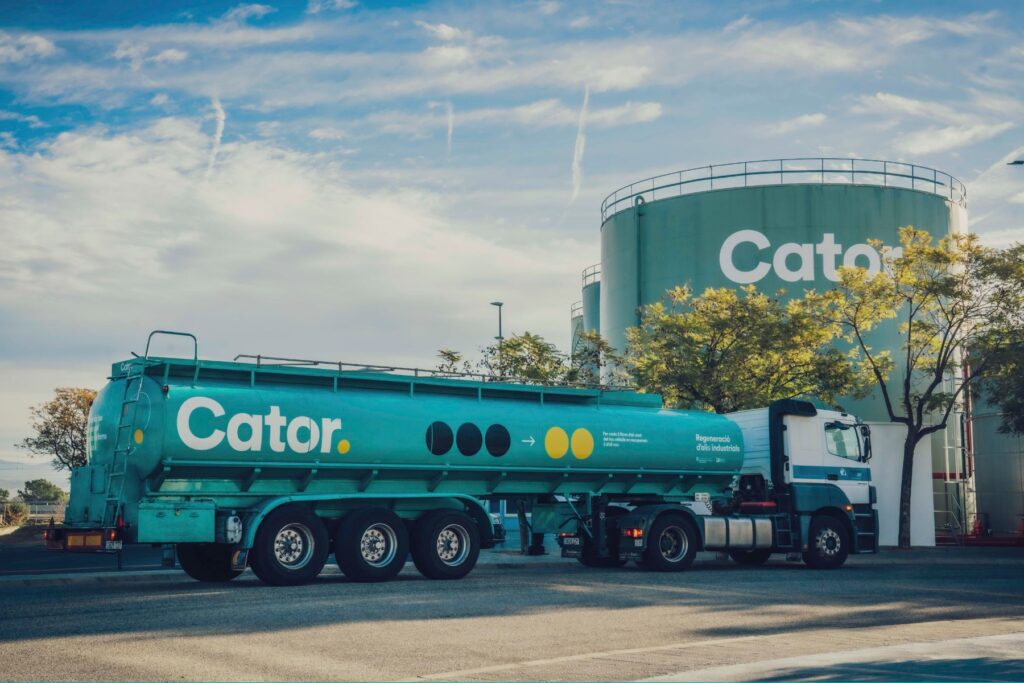
In 2024, we have once again increased our regeneration figures, reaching almost 50% of the total regenerated oil in Spain, and consolidating our position as the country’s benchmark regeneration plant.
Our commitment goes beyond regulatory compliance. We believe in an industrial model that not only treats waste, but transforms it into resources, driving the circular economy and demonstrating that sustainability and productivity can go hand in hand.
To regenerate is to transform. To circulate is to advance.
The SIGAUS 2024 data reflect a wake-up call. The circular economy cannot go backwards, it is an opportunity that we are missing and used oil cannot continue to be wasted as fuel.
Regenerating is not simply a technical choice. It is a strategic decision. It is a way to preserve value, reduce environmental impact and build a more intelligent and committed industrial model.
At Cator, we will continue to support this transformation. Because every drop of regenerated oil is one more step towards a cleaner, more efficient and more circular future.
To regenerate is to preserve. To circulate is to advance. And the time to act is now.