Drills are an essential component in machining operations, but, after completing their useful life cycle, they require appropriate management to avoid environmental risks and optimize industrial processes.
What are drills?
They are cutting fluids used in machining operations, such as chip removal machining or the use of a band saw. These mixtures, also called emulsions, are composed mainly of water, mineral oil and additives. These additives include antioxidants and anti-corrosion agents, essential to protect the parts and materials to be machined.
Depending on their formulation, the mixtures obtained can vary in their content of oil, water and other additive compounds. They have a key function in cooling and lubricating tools and parts during cutting processes, helping to prevent premature wear and ensuring efficient machining.
What are drills used for?
The main objective is to facilitate machining operations by fulfilling functions such as:
- Cooling and lubrication: They reduce friction and dissipate the heat generated by contact between the tools and the materials to be machined.
- Anti-corrosion protection: Antioxidant additives in drills prevent corrosion in machine tools and machined parts.
- Cleaning: They help eliminate chips and waste generated during machining, keeping the cooling circuit clean and functional.
- Improvement of the finish: they contribute to obtaining pieces with more uniform and precise surfaces.

Types of drills
There are different types of drills depending on their composition and application:
- Soluble: These mixtures obtained are solutions composed mainly of water and mineral oils, forming an emulsion when mixed. They are the most common in general machining operations.
- Semi-synthetic: They contain a smaller proportion of cutting oil, combining water and additives to offer a balance between cooling and lubrication.
- Synthetic: They are free of mineral oils and are based exclusively on water and additives. They offer excellent cooling and are ideal for high-precision machining.
The choice of the appropriate drill depends on the type of material to be machined, the specific machining operations and the requirements of the cooling circuit.
Why you need to manage drills after use
Drills, after completing their useful life cycle, can contain hazardous compounds such as oils, heavy metals and microorganisms that convert them into hazardous waste. Their correct management is essential to prevent environmental pollution and comply with current regulations.
Environmental and regulatory impact
Incorrect handling of this product can generate hazardous waste that affects the environment. The oil and chemical content requires specific treatment to avoid water and soil contamination.
Regulations applicable to drills
In Spain, the management of used drilling fluids is regulated by Royal Decree 679/2006, of 2 June , which establishes the measures for the management of used industrial oils. According to this regulation, drilling fluids, as they contain mineral oils, are considered “off-specification” used oils due to their water and sediment content, which implies specific and costly treatment for their correct management.
Optimization of industrial processes
The accumulation of used drill bits in machine tools can cause cooling circuit failures, corrosion of parts and accelerated tool wear. Proper management helps maintain the efficiency of machining operations.
Key steps in managing drills:
- Separate collection: Used drills must be stored in specific containers.
- Appropriate treatment: Companies specializing in industrial waste can process it to separate oils, water and additives.
- Recycling: Some drills can be regenerated, extending their usefulness and reducing their environmental impact.
Drills are essential to ensure efficiency and quality in machining operations, thanks to their cooling, lubrication and protection functions. However, correct management after use is equally important to minimize environmental impact and extend the useful life of machine tools.
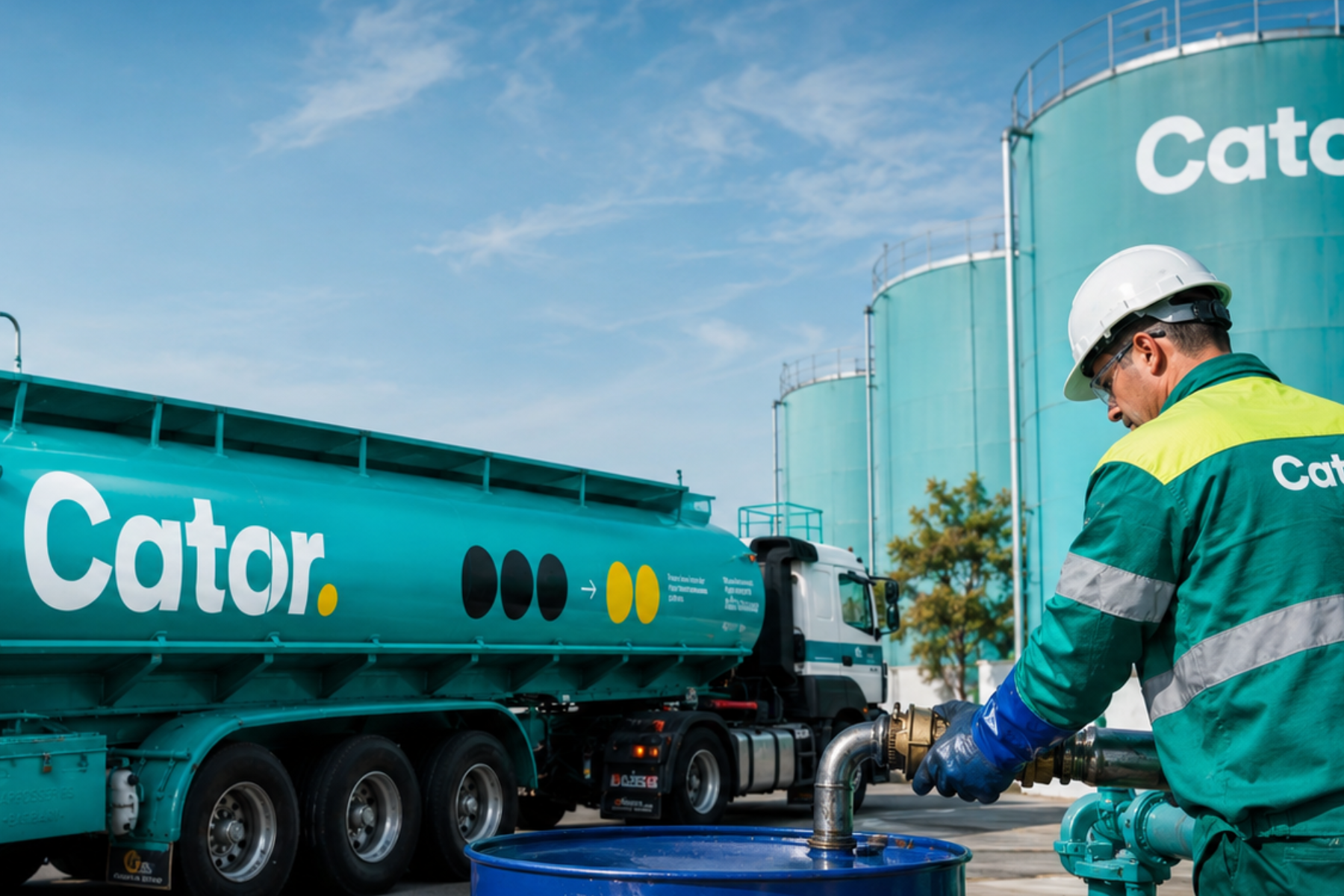
If you need to treat your drills, at Cator we carry out the collection and management service for these . Do not hesitate to contact us through our website.