In everyday language, to speak of “oil” usually leads us to think of cooking oils, bottles intended for consumption and prepared foods. However, in a mechanical workshop or in an industrial plant, oil has another meaning: lubricating, hydraulic, thermal, industrial and an infinite variety of oils that have nothing to do with the products of vegetable origin that we use for consumption or other uses, it is mineral oil.
Knowing the composition and properties of an oil is key to obtain an optimum result in its application, as well as to carry out a correct management at the end of its useful life.
In the mineral industrial oil management sector, we often encounter cross-contamination or questions about the correct management of these two types of oil, which are incompatible when it comes to proper management.
What is mineral oil?
Oil of mineral origin comes from petroleum and is of fossil origin. It is obtained by refining and distillation processes through which mineral base oils are obtained. The mineral bases are combined with additives (anti-wear, anti-oxidants, anti-corrosion, etc.) formulated to give them their characteristics and their behavior with respect to temperature, pressure and load. The result obtained are fluids designed to work in very demanding conditions and multiple applications, machinery, engines, hydraulic systems, etc. It is a technical, non-food product, which is not intended for consumption under any circumstances.
Typical uses of mineral oil in workshops and industry
Some typical examples of the use of mineral-based industrial oil are:
– Engine and transmission oil in light and heavy vehicles and construction machinery.
– Hydraulic oils for presses, elevators, forklifts, etc.
– Gear and compressor oils in industrial installations.
– Oily part in drilling and cutting fluids, mixed with water to cool and lubricate machined parts.
In all these cases, the mineral oil degrades, becomes contaminated with metallic particles and other residues, reduces its properties and ends up becoming used industrial oil, a hazardous waste that requires specific management.
What is vegetable oil?
Vegetable oil comes from seeds, fruits or other plant parts (e.g. sunflower, olive, rapeseed, soybean…). It is obtained by mechanical (pressing) and/or chemical (solvent extraction) processes, and its composition is based on triglycerides of biological origin. There are different types of vegetable oils:
– Cooking oils and oils intended for consumption (olive oil, sunflower oil, etc.) used in canteens, catering or internal restoration.
– Technical or industrial vegetable oil, not suitable for consumption, but used in industrial, cosmetic or biofuel applications.

Although they also lubricate and protect surfaces, their origin and behavior as a residue are very different from those of mineral oil.
Uses of vegetable oil
Vegetable oils have many different uses:
– Food: cooking, frying, processing of processed foods.
– Cosmetics and personal care: as component of creams, soaps, body oils, etc.
– Biolubricants and special fluids: in certain industrial and agricultural applications where biodegradability is a priority (e.g. forestry machinery working in sensitive environments).
– Biodiesel production: some vegetable oils are used to produce biofuels.
When these vegetable oils reach the end of their useful life and are considered waste, they are classified, hazardous and treated differently than oils of mineral origin.
Key differences between mineral oil and vegetable oil
To make it clear, we summarize the key differences between mineral oil and vegetable oil in the following table:
| Appearance | Vegetable oil | Industrial oil (mineral oil) |
| Origin | Vegetable origin (seeds or fruits: olive, sunflower, palm oil…) | Fossil origin: petroleum derivatives (mineral and synthetic base oils). |
| Main use | Cooking oils and other oils intended for consumption; cosmetics, biofuels | Lubricants for engines, gears, hydraulics, drilling and other technical uses. |
| Composition | Triglycerides with different fatty acids | Refined hydrocarbons + technical additive package |
| Condition at room temperature | Normally liquids, depending on the type of vegetable oil | Technical liquids, formulated to resist high temperature and load. |
| Hazardous as waste | Can cause problems if discharged into the sewage system or the environment, but is not always hazardous waste. | Used mineral oil is considered hazardous waste because of its metal and additive content. |
| Recovery options | Production of biofuels, waxes, soaps, and other industrial uses. | Regeneration to produce regenerated base oil and other asphalt products |
| Fit with circular economy | Reuse in biofuels and other products, with focus on plant origin | Regeneration and reintroduction in the market of mineral oil-based products |
How mineral oil behaves when it becomes industrial waste
When mineral oil reaches the end of its useful life, due to contamination with metallic particles, combustion residues or because its additives degrade and lose their properties, the oil is considered waste. This waste is considered hazardous due to its hydrocarbon and pollutant content, and should not be mixed with other waste in order to optimize its correct management, and more specifically with vegetable oil, since its composition is totally different and incompatible in terms of final management.
Mixing used mineral oil with vegetable oil intended for consumption means that neither the mineral oil can be regenerated nor the vegetable oil can be processed for use as biofuel or other use, so the mixture must be treated by incineration.
In workshops, green points and industrial facilities, some basic guidelines are:
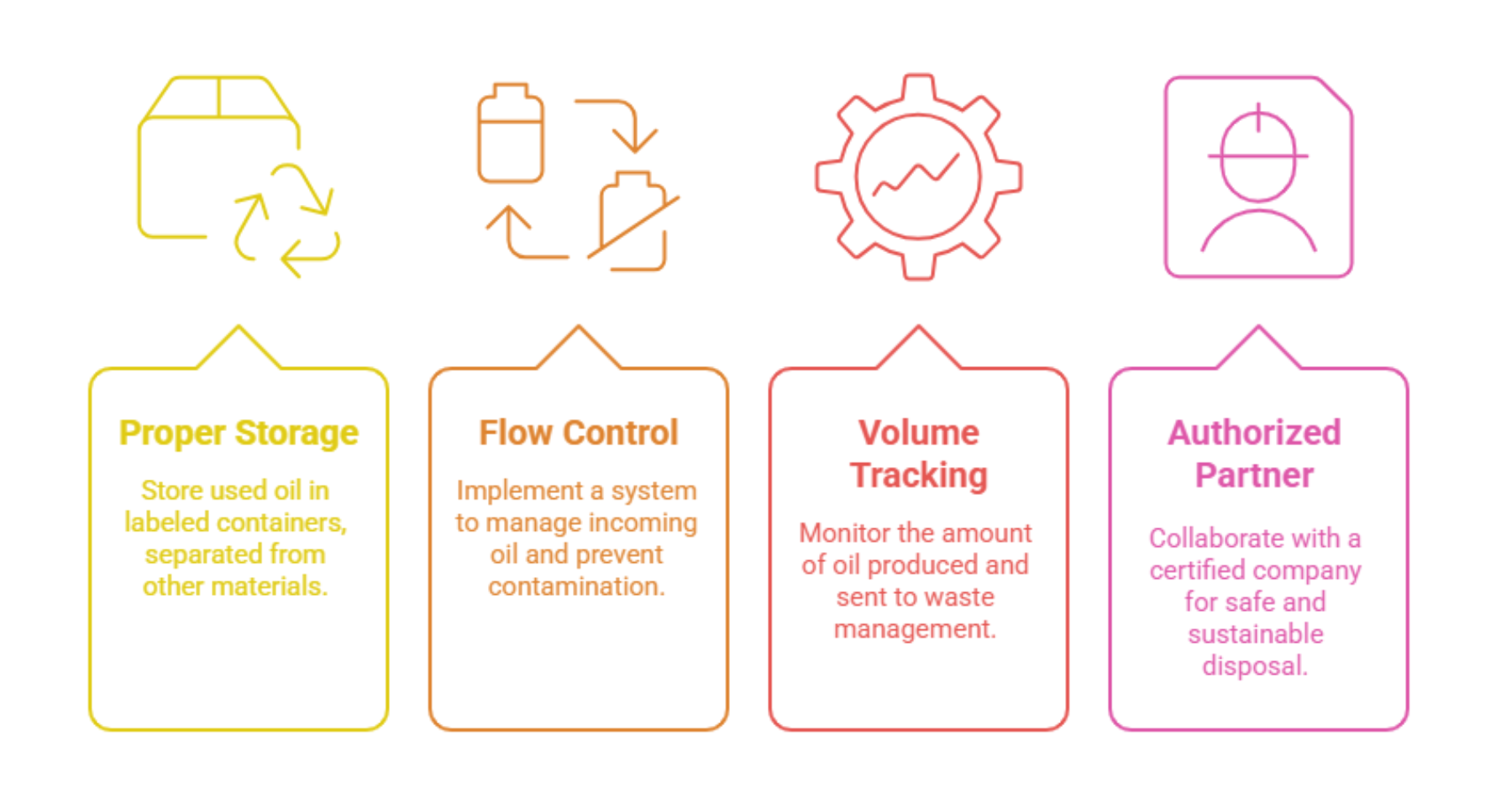
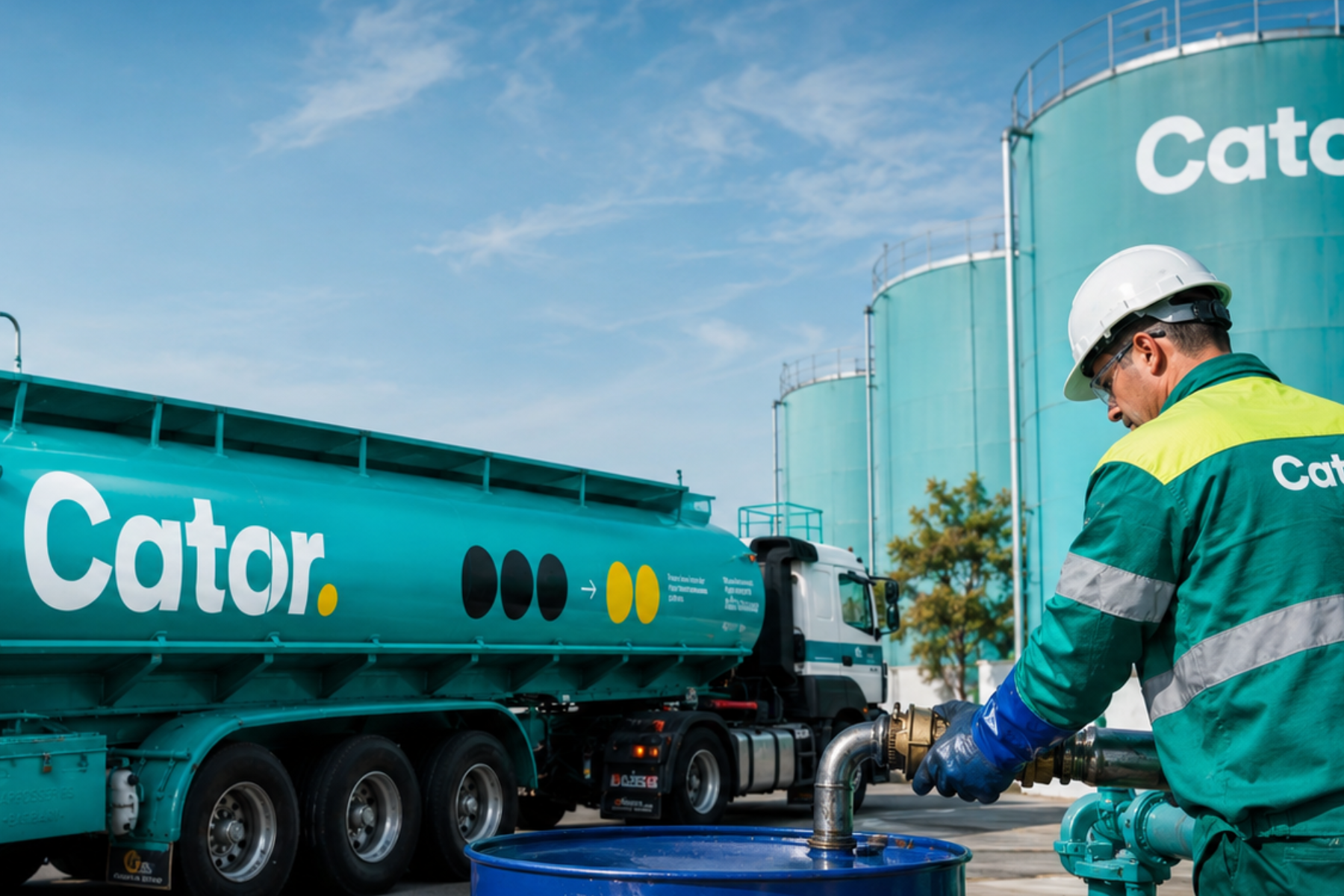
Cator is positioned as a key player in this chain, collecting used industrial oil of mineral and synthetic origin in workshops and industries, and regenerating it to obtain regenerated base oil, which can be used to formulate new lubricants. In addition, other products such as Bitumen Asphalt or Glycols are marketed from the process itself, thus betting on full circularity.
The main conclusion is that, although both are “oils”, mineral oil is intrinsically linked to petroleum and, when used, generates a hazardous waste that requires specialized management. Vegetable oil, on the other hand, has a different behavior and is usually more associated with food uses and certain industrial applications for food use.
Frequently asked questions about mineral oil and vegetable oil
What do I do with the used mineral oil from my workshop?
It must be stored in a suitable container, clearly identified, in an impermeable area and protected against spills. Afterwards, always deliver it to an authorized used industrial oil manager that guarantees its collection and regeneration, such as Cator.
Can I mix mineral oil and vegetable oil in the same container?
It is not recommended. Mixing different types of oil complicates subsequent treatment, can alter the classification of the waste and reduce its regeneration potential. Ideally, used mineral oils should be kept separate from other waste and the instructions of the authorized manager should be followed.
Is used vegetable oil always a non-hazardous waste?
Not necessarily. Some used vegetable oils (for example, those from industrial frying or from certain technical formulations with additives) may require specific management. In any case, they should never be disposed of down the drain or in the environment. It is important to consult the applicable regulations and to work with specialized managers.
Why is used mineral oil considered hazardous waste?
Because, after use, it contains heavy metals, hydrocarbons and other toxic compounds that make it a highly polluting waste, especially if it is discharged into water or soil. A single liter of used industrial oil can contaminate large quantities of water.
How does mineral oil regeneration help my company?
By ensuring that your used mineral oil is regenerated, you contribute to reducing oil extraction, minimizing emissions associated with refining and reinforcing your company’s sustainable image. In addition, you are working with a model aligned with the principles of the circular economy and the Sustainable Development Goals (SDGs).