We are at a turning point. The climate is changing, nature is degrading and inequalities are growing, while everything is accelerating with digitalization. Sustainability matters because it allows us to continue to prosper while respecting the fragile balance between development, the environment and society. For organizations and society, it means deciding with data, being transparent and collaborating to reduce impacts, save energy and materials, and create quality employment that lasts over time.
What are the SDGs
The Sustainable Development Goals (SDGs) are the UN’ s global framework for accelerating economic development that cares for people and planet. For companies, the SDGs are a strategic compass: they help prioritize, measure impact and align business with social and regulatory expectations.
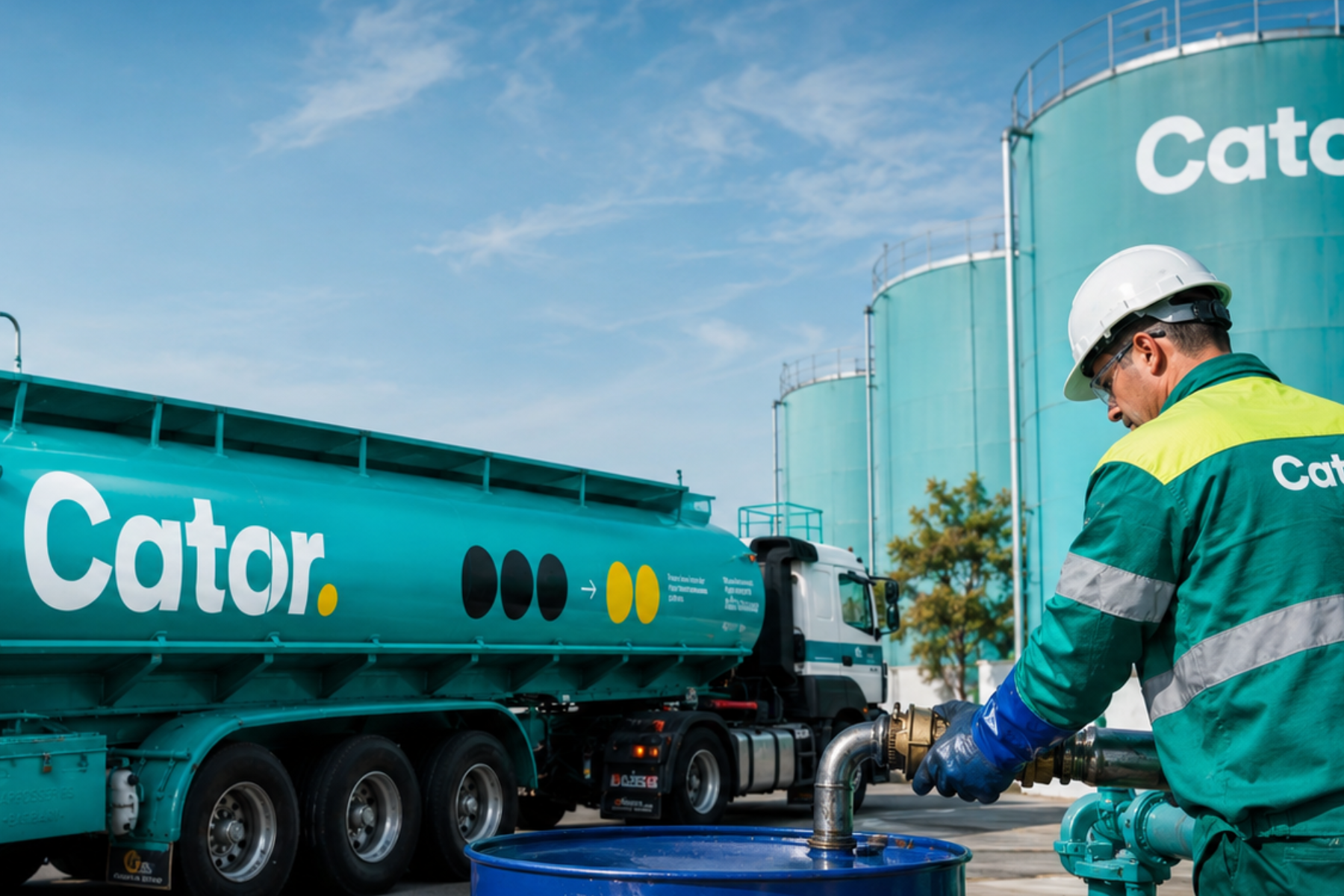
At Cator, this guide translates into a very specific purpose: to give new life to used industrial oil, converting a hazardous waste into new raw materials and reducing emissions, resource extraction and environmental risks while adding value to our environment and society.
What are the SDGs for?
More than a theoretical framework, the SDGs operate as a management system that integrates strategy, governance and operations. They help identify material issues (climate, talent, supply chain, ethics), connect risks and opportunities, and set targets that are deployed in roadmaps by area. The SDGs help us to track our results and compare them year on year, to see if we are making real progress. In short, they provide us with:
– Focus and prioritization: Identify where the business can generate the greatest impact.
– Comparable metrics: Set indicators, targets and accountability.
– Innovation and efficiency: Catalyzing new processes, circular products and cost savings.
– Reputation and compliance: Responding to customers, talent and investors.
Agenda 2030 and goals
It is the global plan that all UN countries adopted in 2015 to improve people’s lives and care for the planet by 2030. At its heart are 17 Sustainable Development Goals (SDGs): from ending poverty and hunger to boosting education, equality and climate action.
What are you pursuing?
To situate ourselves, here we summarize the four main axes of the 2030 Agenda as a simple way to see for whom we act, how we take care of resources, how we create opportunities and with whom we do it:
– People: No one left behind (health, education, equality).
– Planet: Curbing climate change and protecting nature.
– Prosperity: Economic growth with decent jobs and innovation.
– Peace and alliances: Strong institutions and collaboration between governments, business and society.
What is the role of companies?
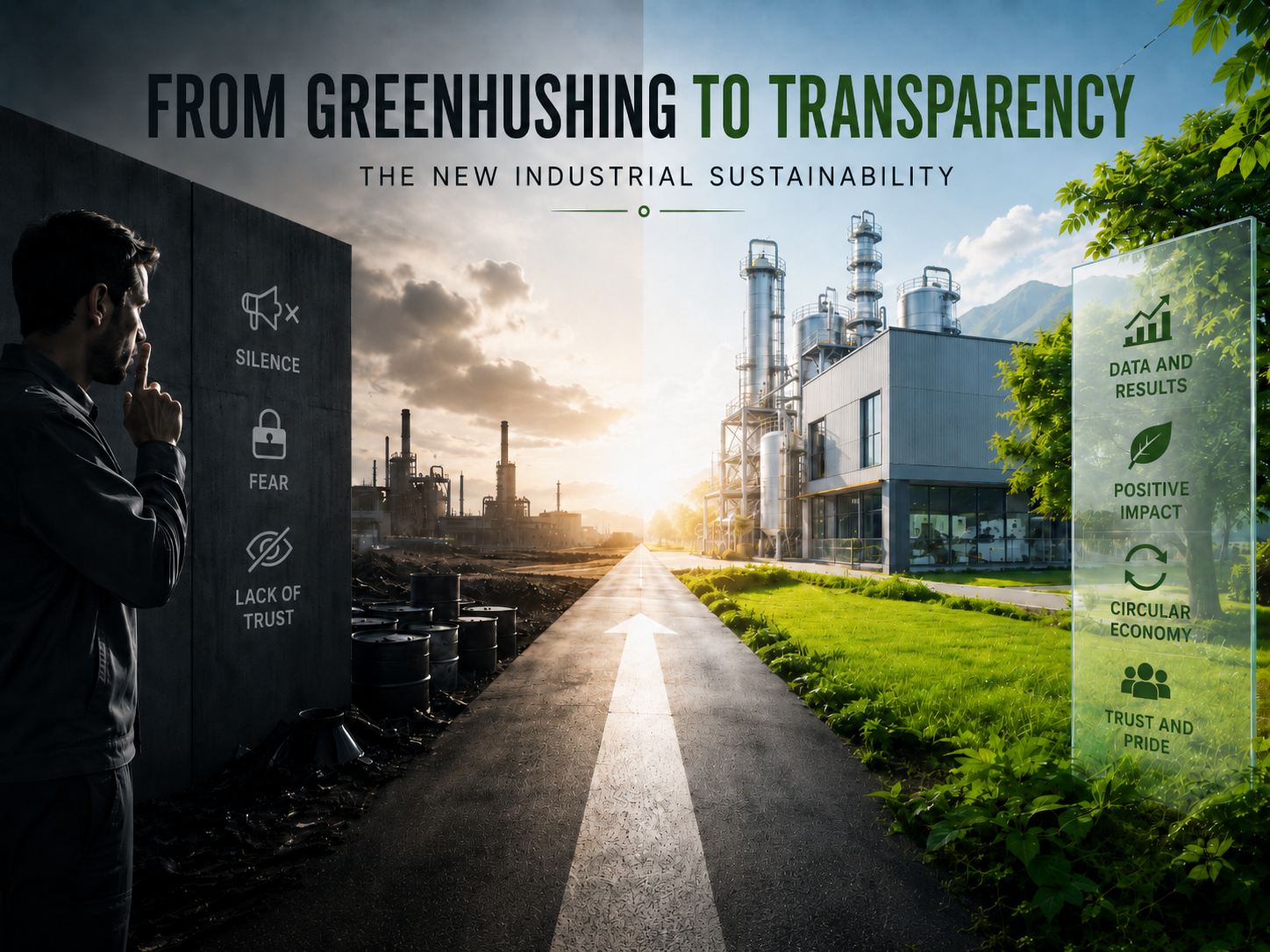
Companies can contribute by integrating the SDGs into their strategy by choosing those most relevant to their business, implementing them with clear projects and indicators, communicating honestly with verifiable data and progress, and collaborating with suppliers, customers and the community to multiply impact.
We are in the final stretch to 2030: Time is short and it is key to focus, measure and accelerate. In addition, customers, talent and investors are already demanding sustainability results, not just intentions.
Explanation of the 17 SDGs
This table summarizes the 17 Sustainable Development Goals at a glance. Use it as a quick guide to identify which SDGs relate best to your projects and how to communicate them simply.
SDGs | DESCRIPTION |
SDG 1: End of poverty | That no one lives in extreme poverty and has access to basic services. |
SDG 2: Zero hunger | Sufficient and healthy food for all people; sustainable agriculture. |
SDG 3: Health and wellness | Prevent diseases and ensure quality health care. |
SDG 4: Quality education | Inclusive and quality lifelong learning. |
SDG 5: Gender equality | Equal opportunities for women and men; an end to violence and the wage gap. |
SDG 6: Clean water and sanitation | Access to safe drinking water and responsible water management. |
SDG 7: Affordable and non-polluting energy | Reliable, modern and increasingly renewable energy. |
SDG 8: Decent work and economic growth | Decent jobs, job security and responsible companies. |
SDG 9: Industry, innovation and infrastructure | Technology and processes that improve productivity with less impact. |
SDG 10: Reduction of inequalities | Equal opportunities for all people, without discrimination. |
SDG 11: Sustainable cities and communities | Affordable housing, clean transportation and safe spaces. |
SDG 12: Responsible production and consumption | Use fewer resources, generate less waste and recycle more. |
SDG 13: Climate action | Reduce emissions and adapt to the effects of climate change. |
SDG 14: Underwater life | Protect oceans and coasts from pollution and overfishing. |
SDG 15: Life of terrestrial ecosystems | Caring for forests, soils and biodiversity. |
SDG 16: Peace, justice and strong institutions | Clear laws, protected rights and zero corruption. |
SDG 17: Alliances to achieve objectives | To join efforts between governments, companies and citizens. |
Priority SDGs in Cator
Our main activity is to collect and regenerate used industrial oil to reintroduce it as base oil and valuable by-products, within a circular economy model.2024-2025, Cator has strengthened its leadership in Spain and reaches almost 50% of the regenerated oil in the country, promoting a zero waste model based on energy efficiency and the use of by-products.
Below, we show which lines of circular action we carry out and which SDGs we contribute to:
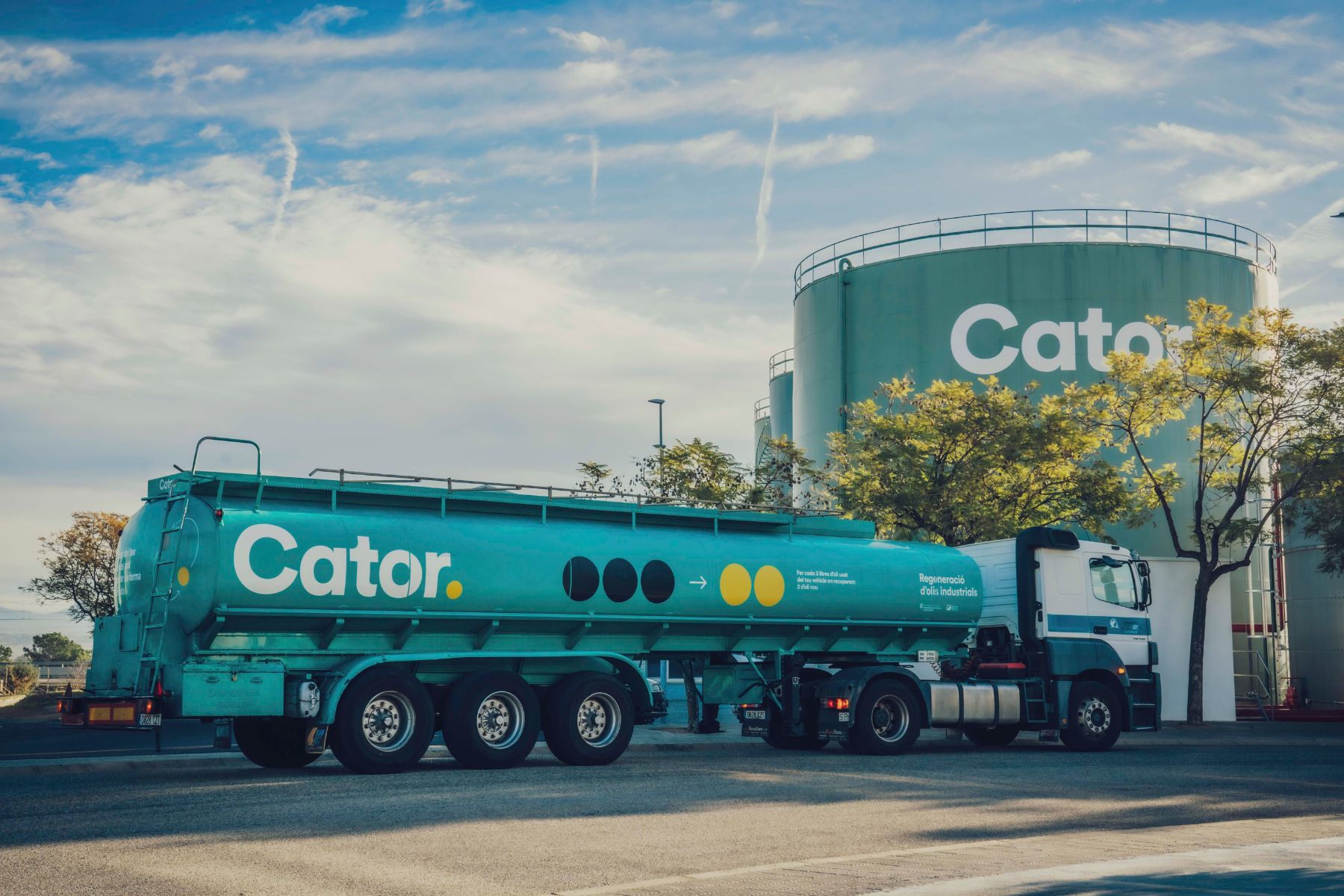
Sustainable logistics: SDGs 7 – 9 -13
– Route and load optimization: We plan routes, reducing unnecessary trips and maximizing tank capacity. To this end, we use an algorithm that estimates the amount of used oil accumulated in each supplier according to its activity, which allows us to schedule more efficient routes.
– Training for more efficient driving: We developed a practical guide with driving recommendations and conducted training for transport personnel, focused on reducing fuel consumption and improving driving behavior.
– Sustainability in fleet renewal: When acquiring new vehicles, we incorporate consumption and design criteria that favor efficiency (for example, the choice of transmissions or configurations that minimize fuel consumption), prioritizing options that reduce the environmental footprint.
Emission control: SDGs 9 – 13 – 17
– Emissions control and carbon footprint calculation: we quantify the carbon footprint of Cator’s activity to identify which operational phases generate the greatest environmental impacts and prioritize data-driven improvement measures.
– Management of odor episodes and citizen participation: The most innovative and transformative project we have carried out to strengthen our link with the community has been the collaboration with NasApp. This initiative has significantly improved the quality of life of the local population, reducing odor nuisance episodes and reaffirming our commitment to transparency and social welfare projects.
– Continuous improvement of plant performance: As the quantities of oil treated increase, we constantly work on process efficiency to maintain or reduce the intensity of emissions per liter of final product, thus ensuring sustained environmental progress.
Resource use and management: SDGs 7 – 9 – 12 – 13 – 14
– Water treatment and reuse: We have installed our own treatment plant that allows us to treat and recirculate a large part of the water used in our processes. Thanks to this system, we manage to reuse approximately 65% of the water consumed, significantly reducing the extraction of water from the mains.
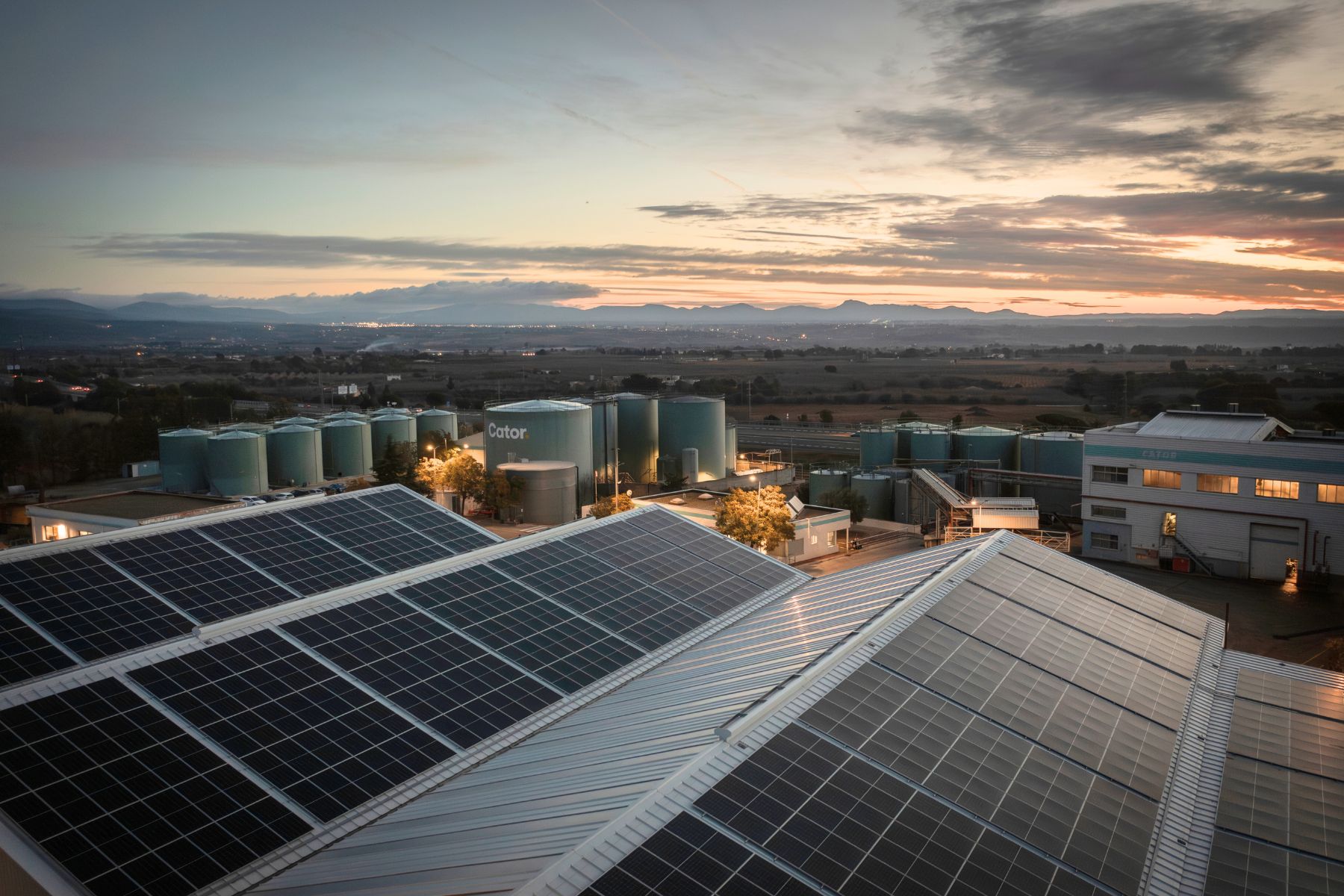
– Transition to renewable energy: As part of the plant’s modernization, asbestos has been removed from the roofs and photovoltaic panels have been installed for self-consumption, which reduces dependence on the electricity grid and associated emissions.
– Valorization of by-products: The used oil regeneration process generates different by-products in the distillation stages. Instead of discarding them, we recover them as raw materials for industrial uses -for example, as an asphalt component in the manufacture of waterproofing and road mixtures-, thus closing the value cycle and committing to full circularity.
R & D: SDGs 9 – 12 – 13 – 14
– Valorization of hazardous waste: The research and development department is implementing an innovative project to recover and valorize the hazardous waste generated during the regeneration of used oil. Thanks to the technologies under development, these waste flows could be transformed into additives for one of the asphalt products marketed by the company, thus closing a production cycle and reducing the need for virgin raw materials.
– Regeneration of glycols: Another ongoing project involves the installation of a pilot plant to extract glycols from the wastewater from the process. The recovery of these glycols would allow their subsequent valorization and commercialization as raw material for lubricant manufacturers, providing a circular and economic solution to a by-product that until now has been lost.

Training and awareness-raising: SDGs 4 – 13 – 17
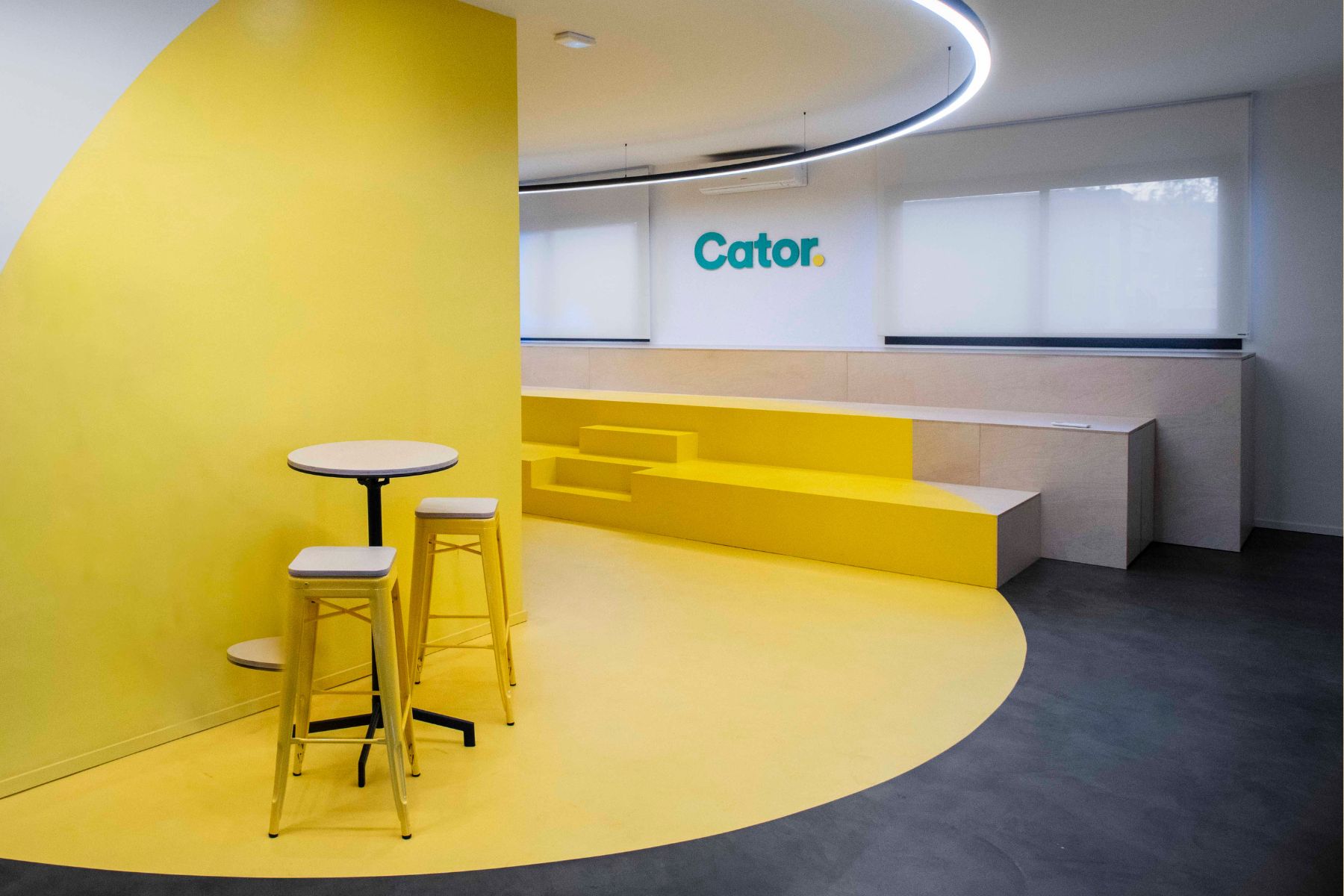
– Environmental training classroom: We are committed to environmental education and technical training for professionals, students and the community. The Cercle our environmental classroom at Cator hosts visits, workshops and dialogues with organizations, training centers and companies to discuss circular economy and sustainability.
The SDGs are not a declaration, but a way to manage better. At Cator, we live it every day: turning waste into a resource, reducing emissions and saving raw materials while promoting quality employment, innovation and partnerships that make a difference. That is the value of the circular economy of used oil: real, measurable and shared impact.