


Sustainable Lubricants: Innovation, Circularity and the Future
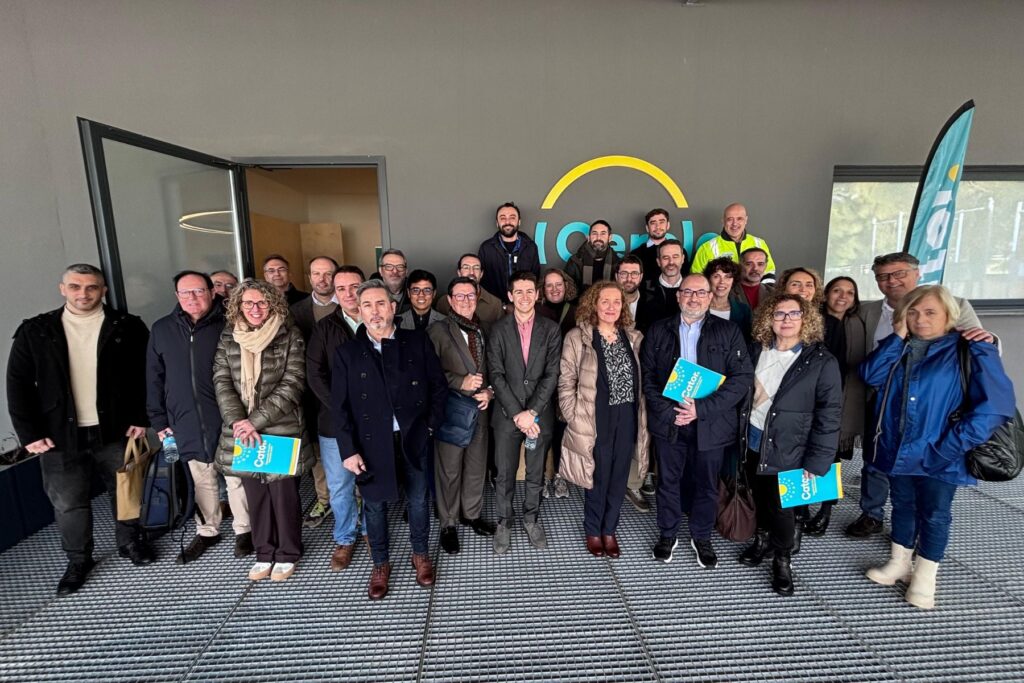
The conference “Sustainable lubricants: innovation, circularity and future”, held on February 4 at Cator Alcover (Tarragona), brought together professionals and companies from the lubricants, industrial oils and additives sector to reflect on a scenario in full transformation. The meeting revolved around three main ideas: the new regulations that will set the pace of adaptation in […]
Recyclability of used industrial oil: the role of additives

The chemical composition of used industrial oil, especially its additive package, can either facilitate or hinder its treatment. Understanding this effect is key to recovering secondary raw materials and moving towards a circular economy. Used industrial oil is not just a degraded “oil base”: it is a complex mixture of functional additives, contaminants carried over […]
Differences between vegetable oil and mineral oil

In everyday language, to speak of “oil” usually leads us to think of cooking oils, bottles intended for consumption and prepared foods. However, in a mechanical workshop or in an industrial plant, oil has another meaning: lubricating, hydraulic, thermal, industrial and an infinite variety of oils that have nothing to do with the products of […]
What is the Digital Product Passport (DPP)?

As measures to reduce the environmental impact of industrial activities advance, the more important is the technical information on the products being marketed. This information is useful both for buyers who want to be aware of the characteristics of what they are consuming, and to extend the useful life of the same products taking into […]
What are the SDGs and how do we meet them at Cator?

We are at a turning point. The climate is changing, nature is degrading and inequalities are growing, while everything is accelerating with digitalization. Sustainability matters because it allows us to continue to prosper while respecting the fragile balance between development, the environment and society. For organizations and society, it means deciding with data, being transparent […]
The circularity of the coolant we manage at Cator
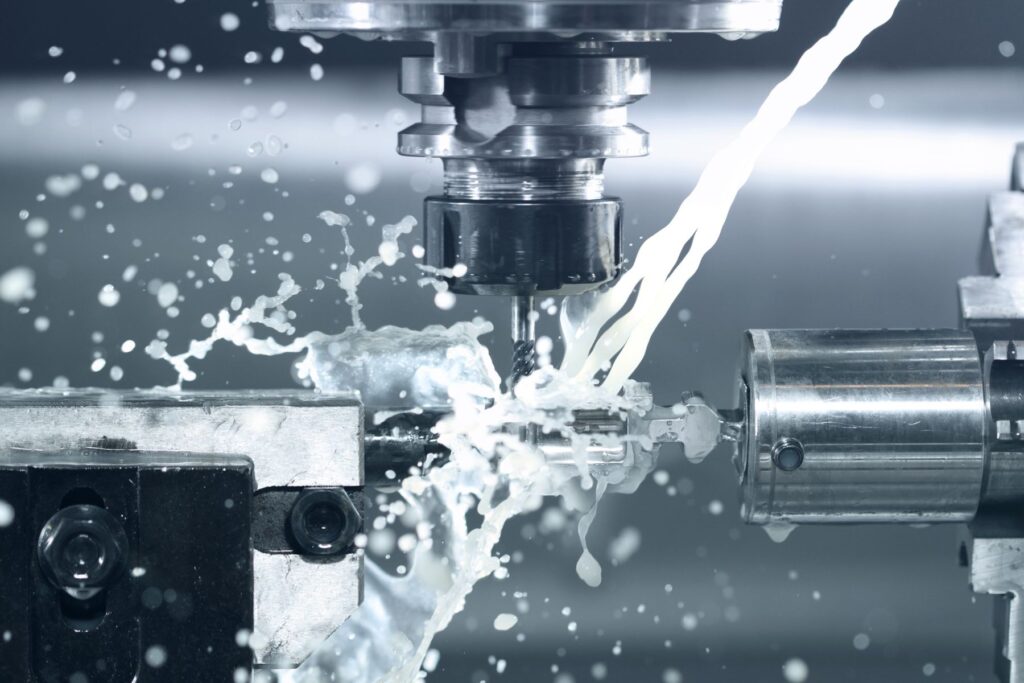
To speak of coolant is to speak of a little-known but essential resource in any machining shop. At first glance, it may appear to be just another fluid, but its presence determines the quality, safety and continuity of production. Its management is not an ancillary issue: it affects everything from tool life to energy efficiency […]
The value of labor welfare

At Cator, we believe that workplace wellness is not an “extra”, but a strategic pillar that directly impacts productivity, talent retention and the ability to innovate. As a company dedicated to the regeneration of industrial oils, we operate in a demanding environment where safety, focus and teamwork are crucial. That is why we especially value […]
Reclaimed oil helps reduce your company’s carbon footprint

Reducing the carbon footprint has become a global priority to curb global warming and meet United Nations sustainability commitments. Companies play a key role in this challenge, not only by adopting renewable energies or improving their energy efficiency, but also by responsibly managing the waste they generate and adopting circular economy solutions. By integrating more […]
Environmental benefits of regenerated used oil: from waste to resource

At a time of growing environmental awareness and increasingly strict regulations, the correct management of used industrial oil has become a key pillar for sustainability. This waste, classified as hazardous, not only represents a potential risk to the environment if not properly managed, but also offers a great opportunity: its regeneration allows it to be […]
Good practices in the storage of used industrial oil
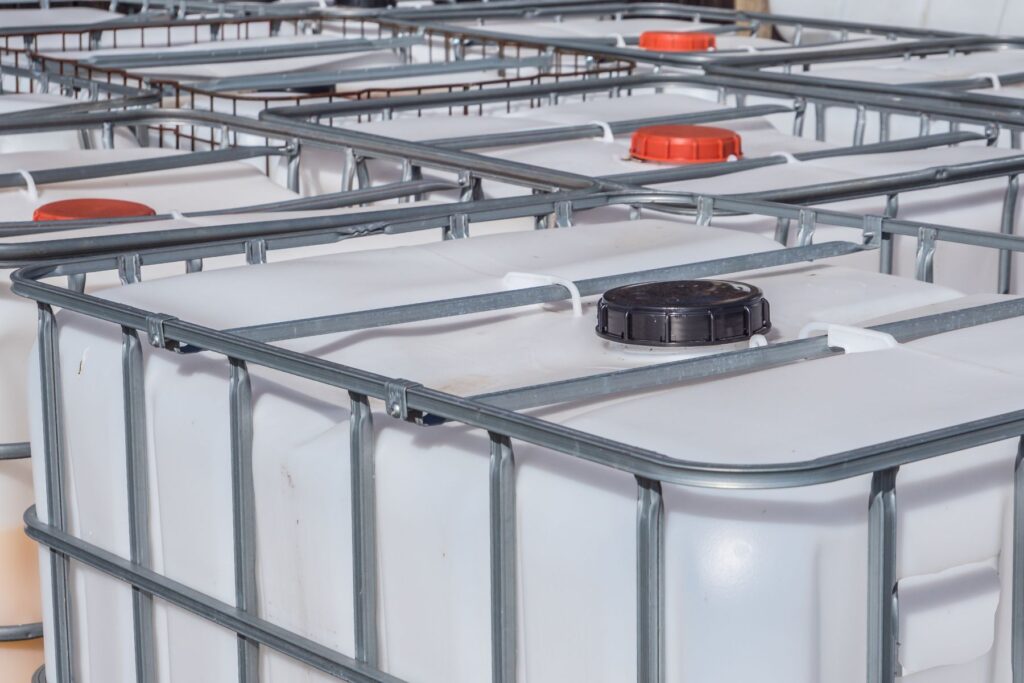
The storage of used industrial oil is a critical phase in its management, as it is a hazardous waste with a high polluting potential. After use, the oil contains toxic compounds such as chlorine, sulfur, zinc or heavy metals such as lead or cadmium. If improperly burned or discharged into the environment, it can generate […]
